Labandhar Village (The Mural Village): Bengal’s Own Mawlynnong
Popularly known as Alponagram, Labandhar Village is situated in Ausgram II Block of Purba Bardhaman district under the Debshala Gram Panchayat. The village is home to approximately 800 residents, whose primary sources of livelihood include agriculture, collection of forest produce, and the manufacture of kendu leaf plates.
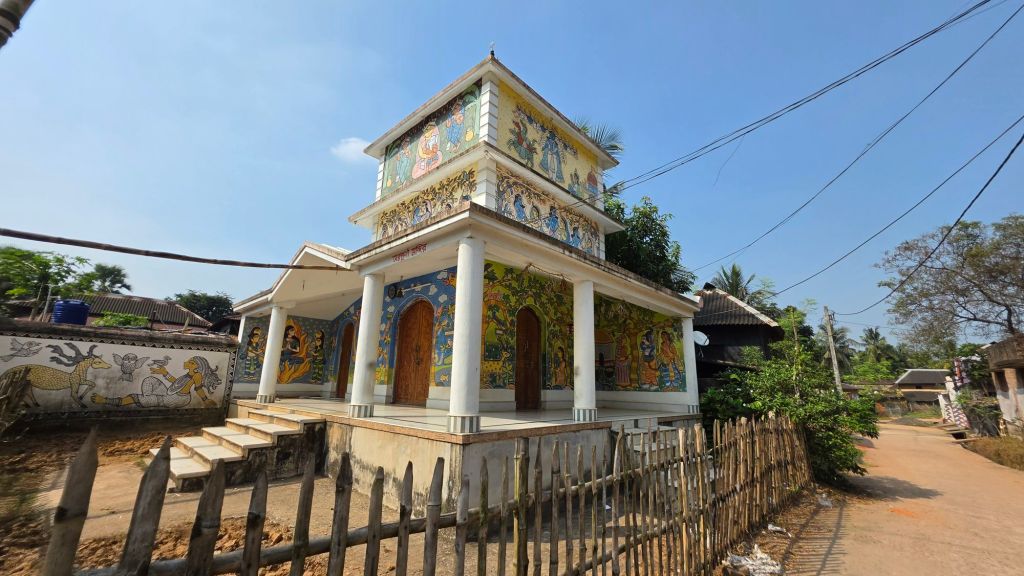
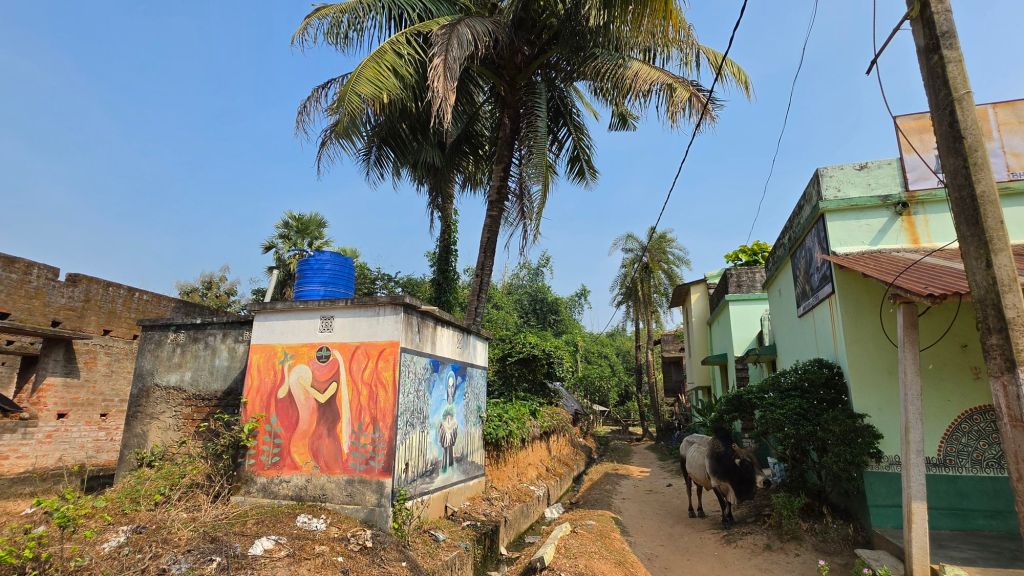
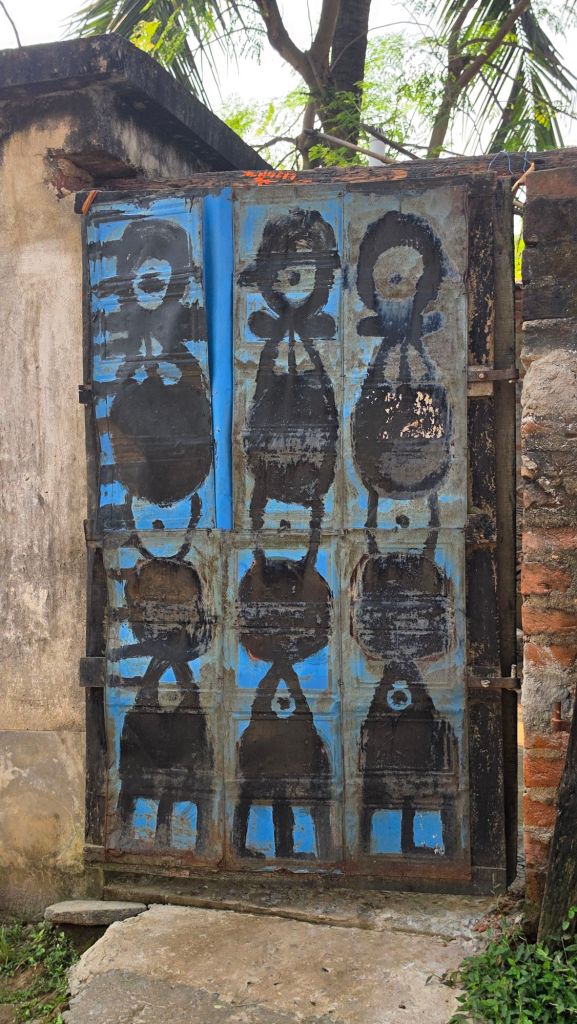
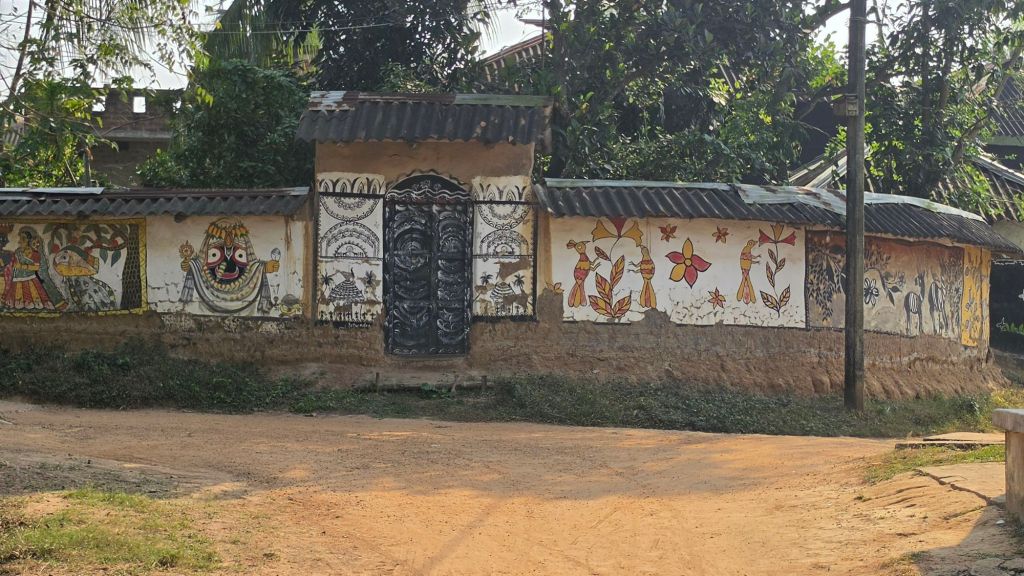
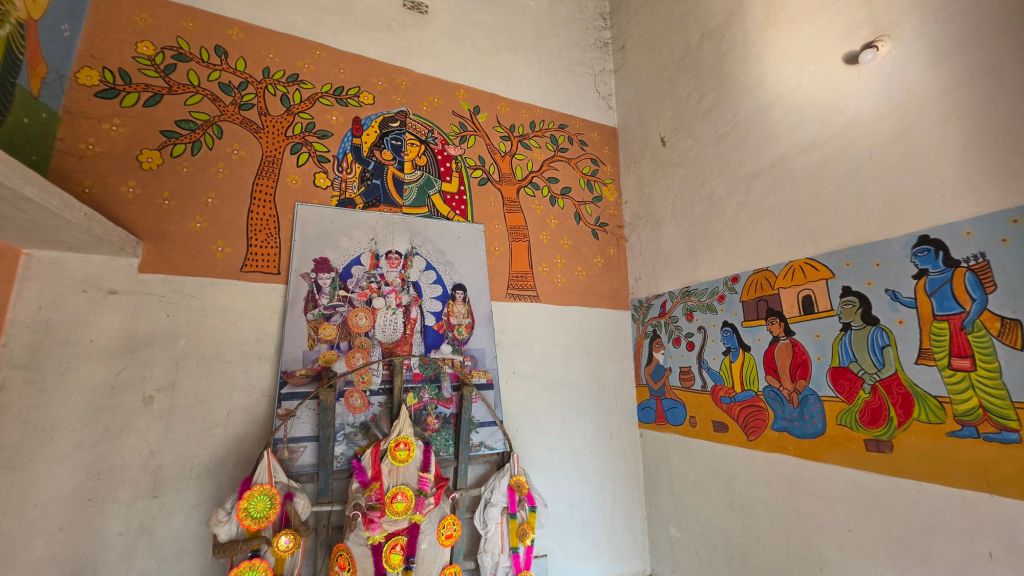
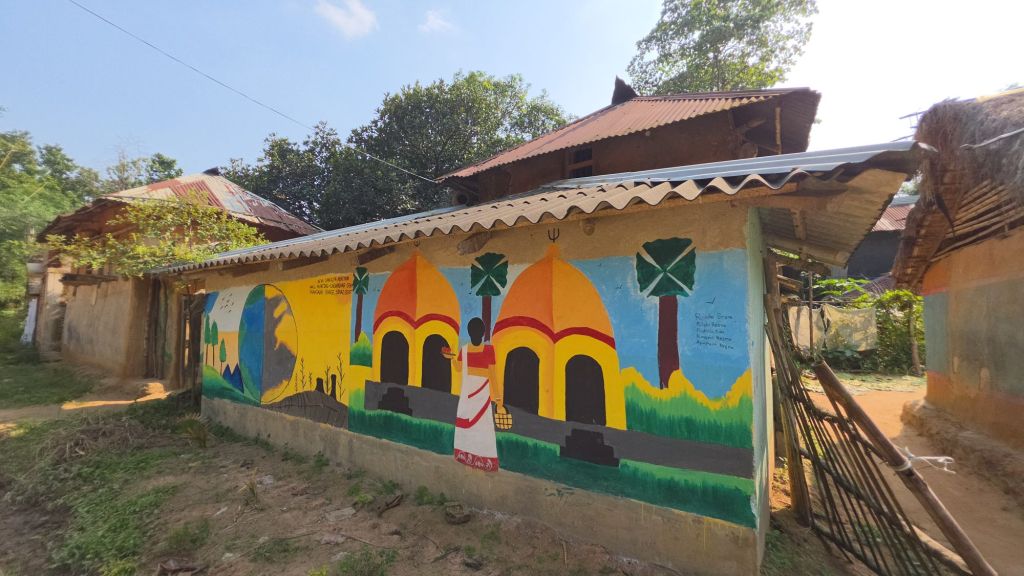
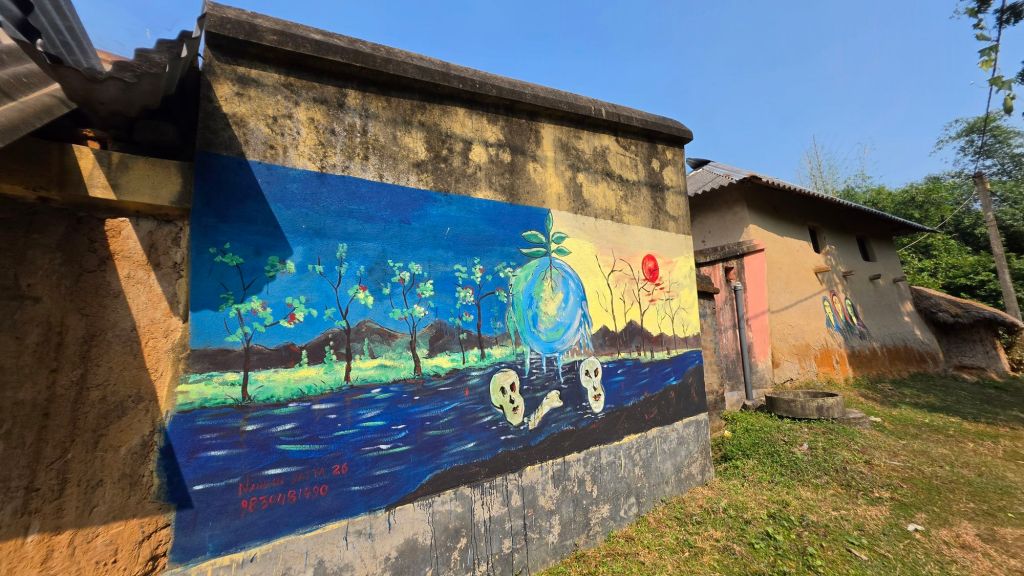
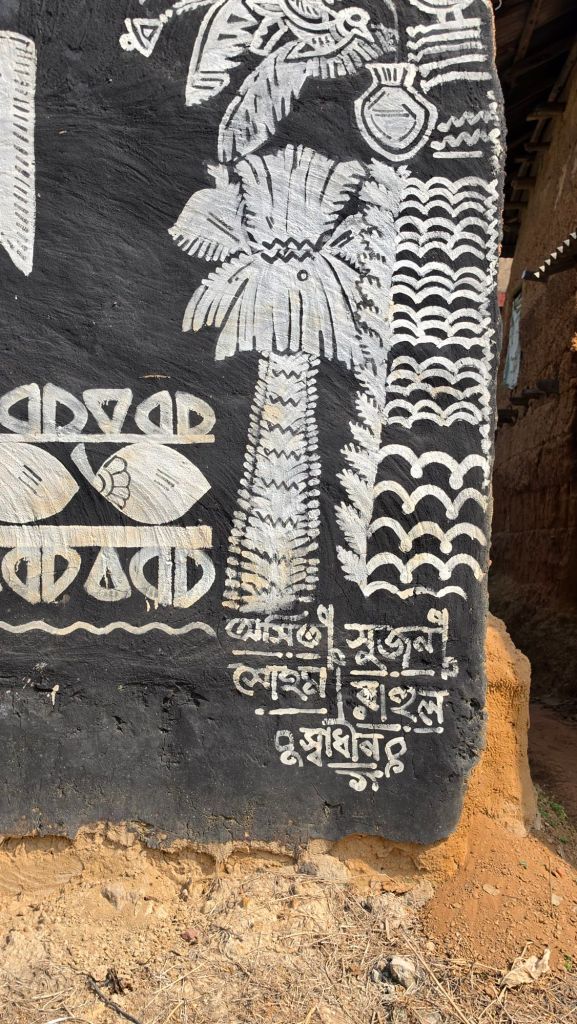
The murals that adorn the village houses are a relatively recent addition. This unique initiative began only a few years ago, driven by the passion of a few villagers and their deep love for nature and the surrounding forests.
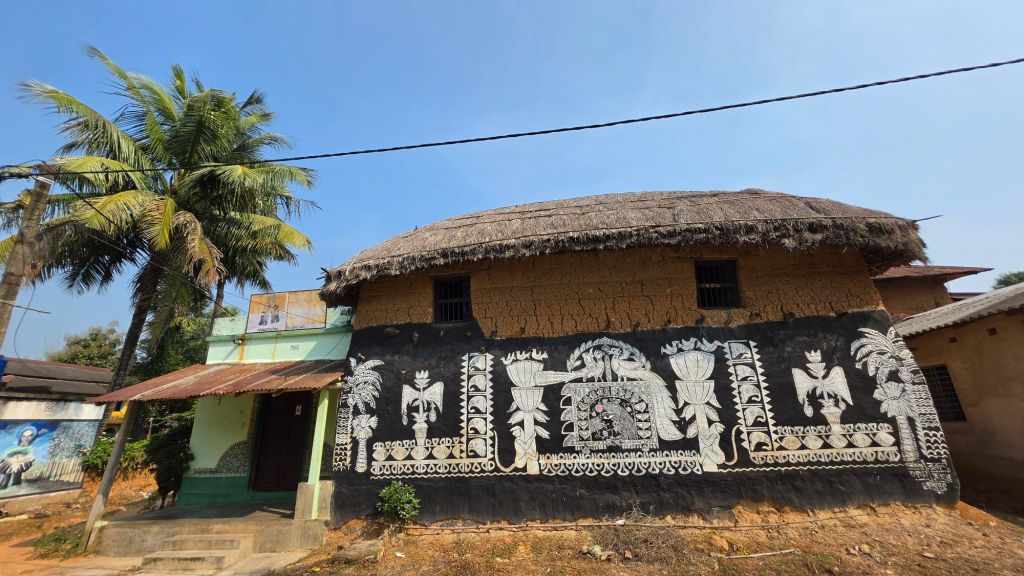
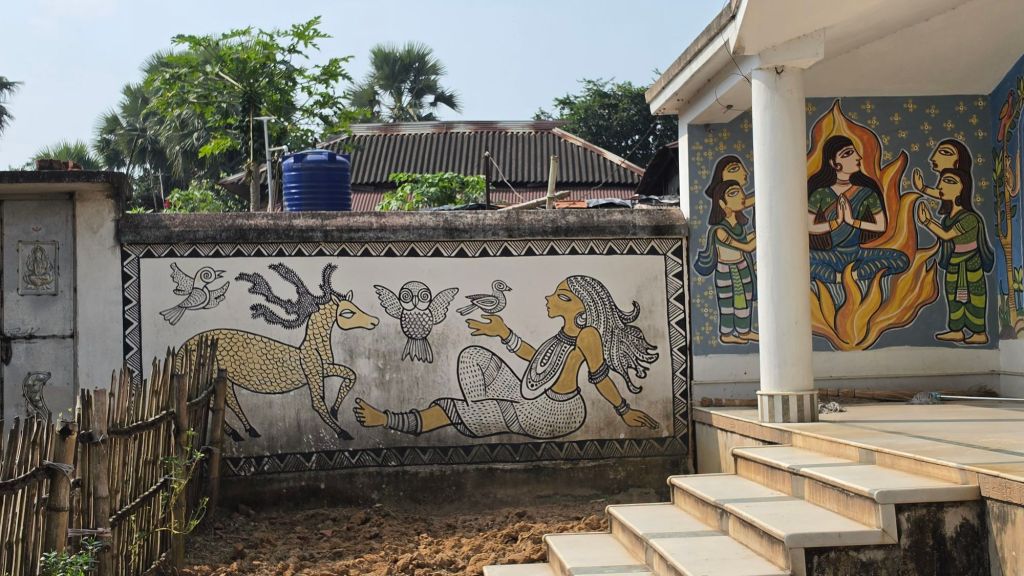
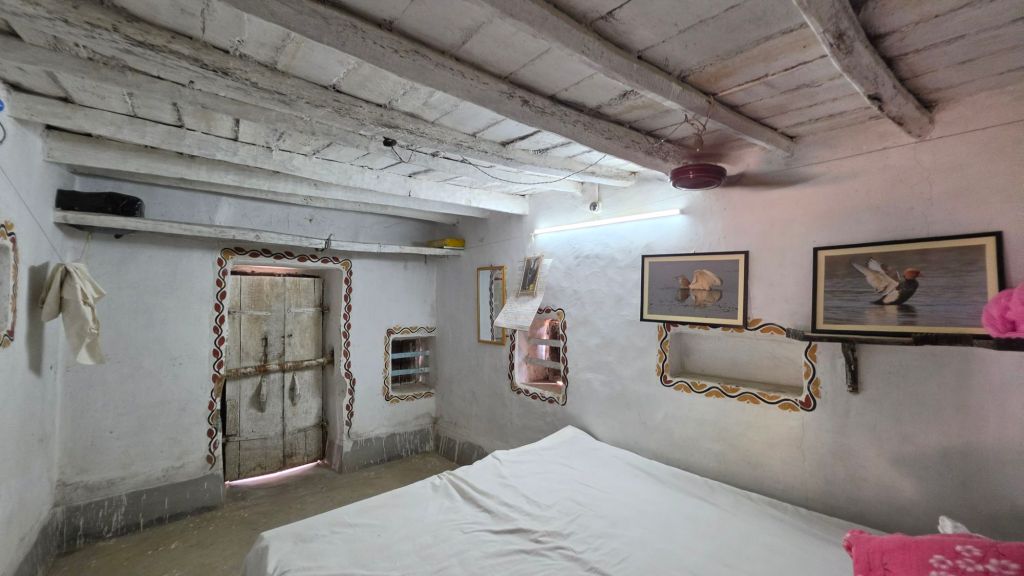
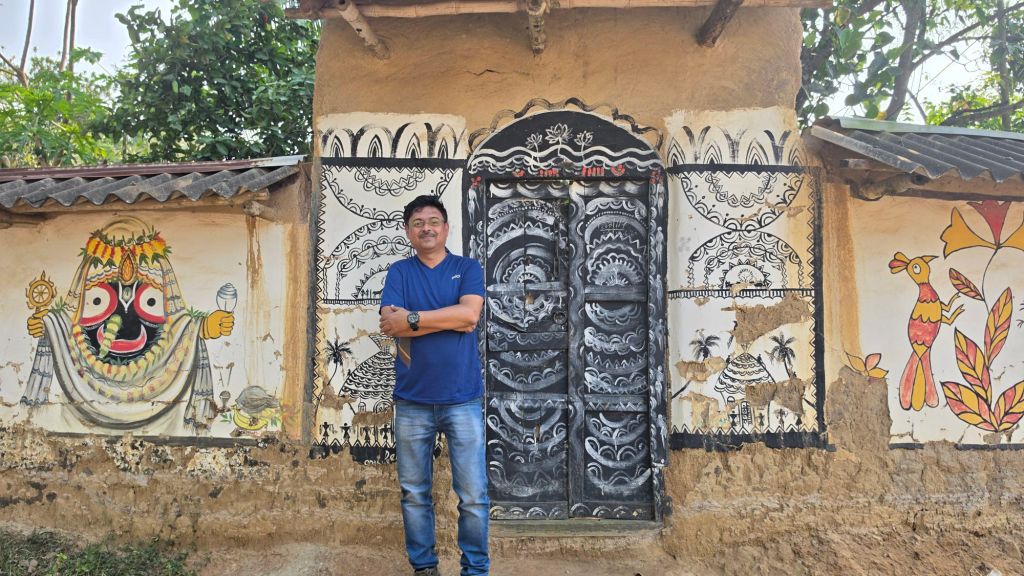
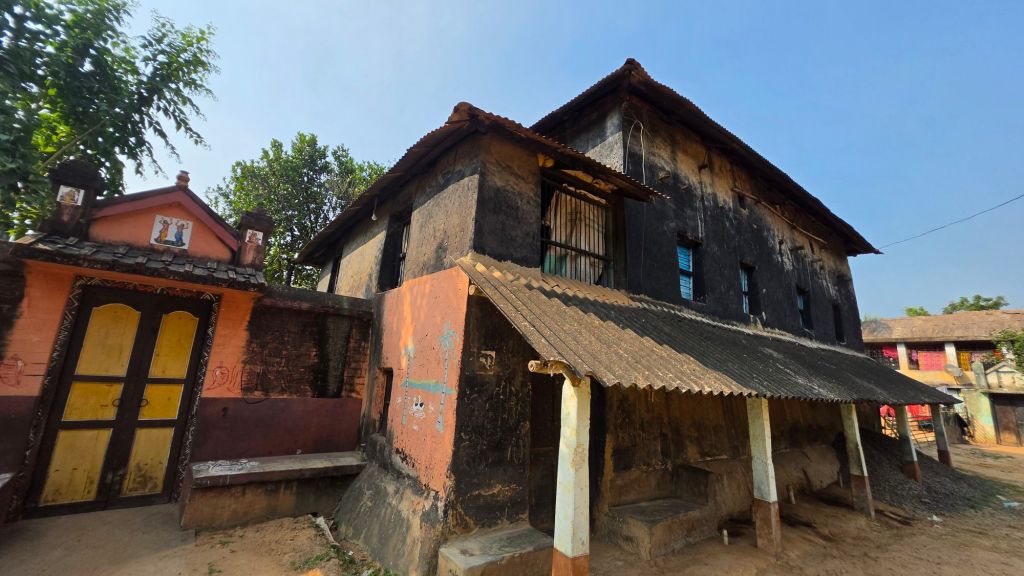
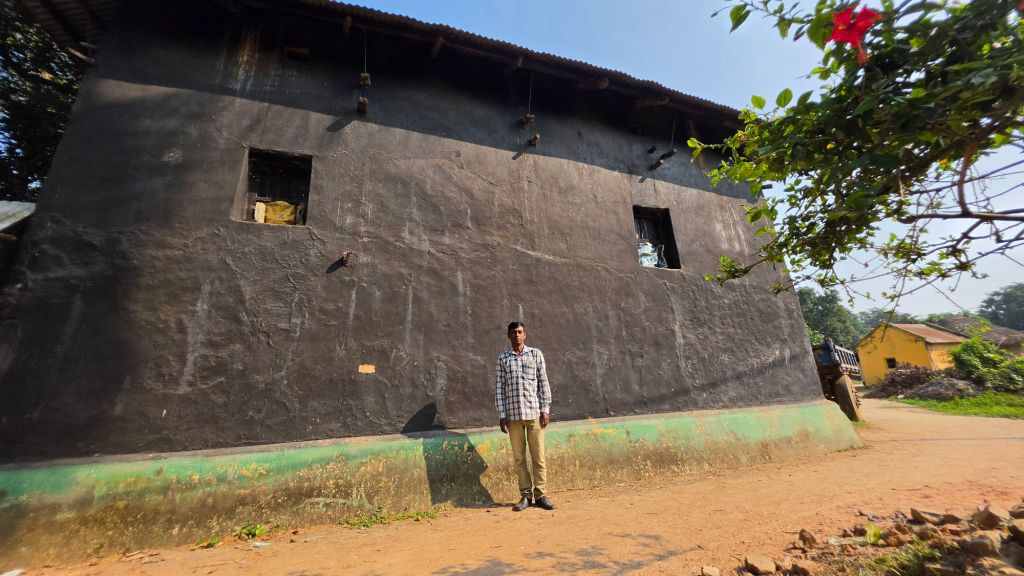
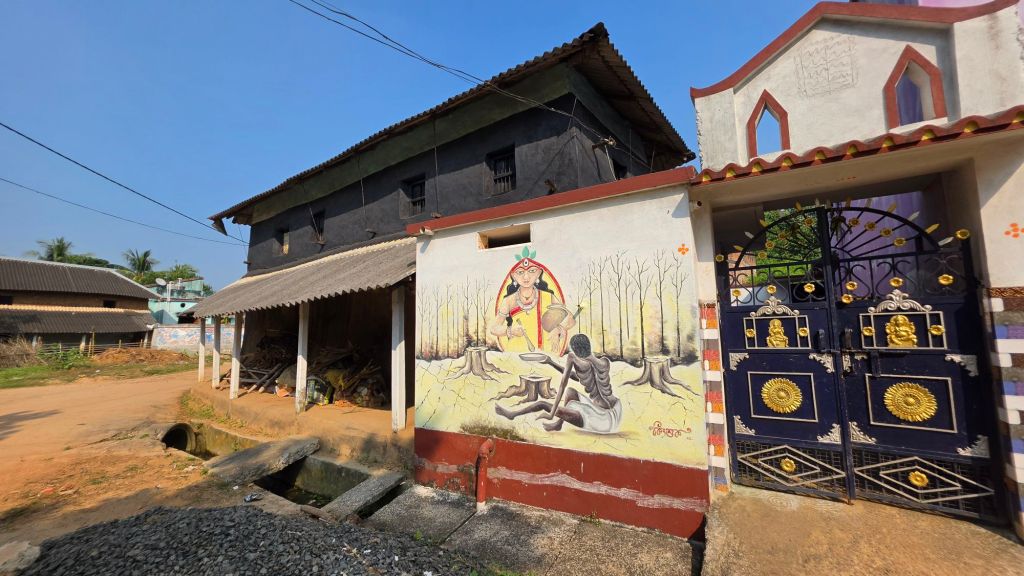
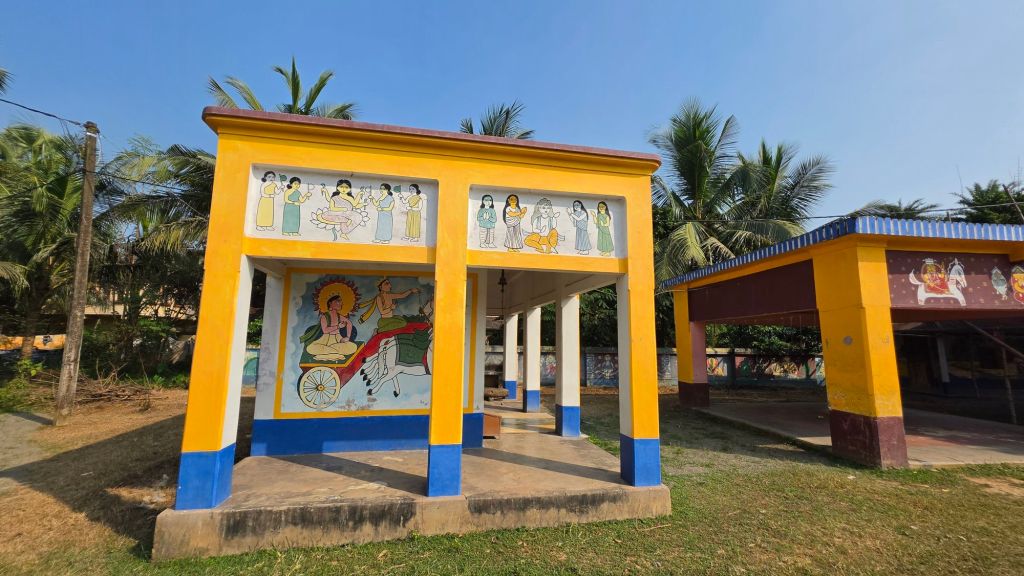
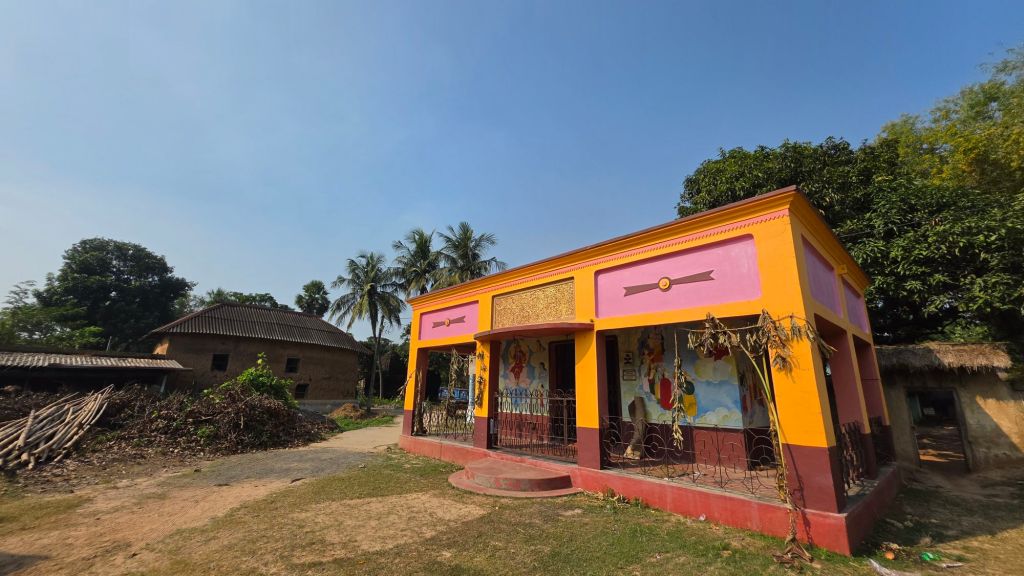
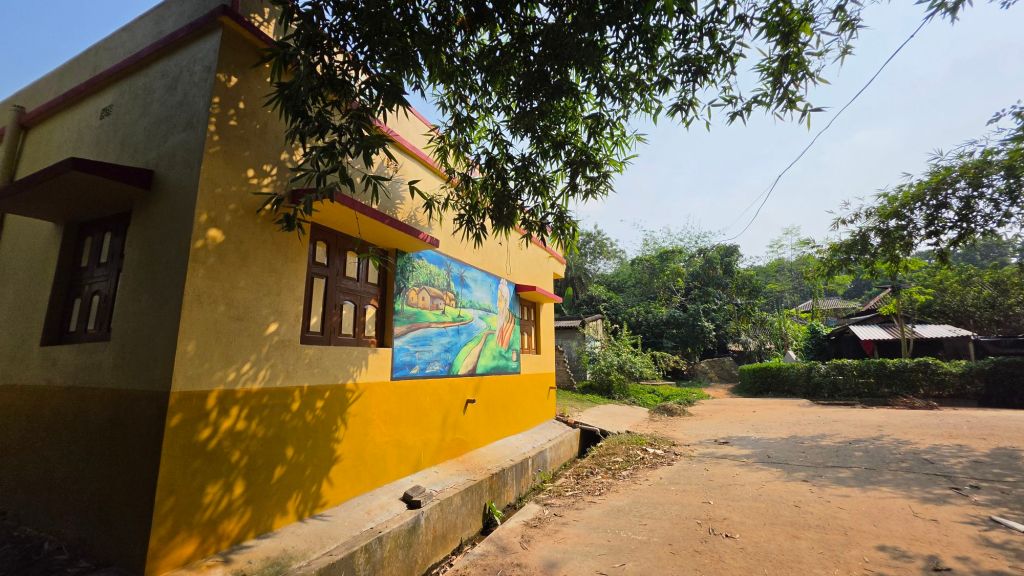
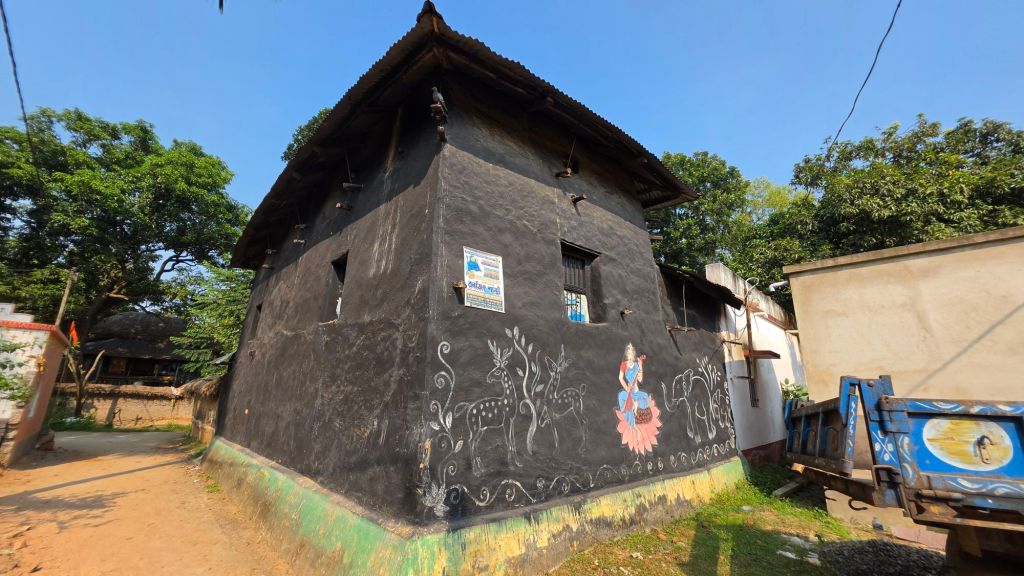
The village is remarkable for its cleanliness. Its neat roads and beautifully decorated mud houses create a distinctive and charming atmosphere. Artists from different parts of India regularly visit the village and paint murals on the walls of these mud houses. Some of the houses are even three-storied structures made of mud, reflecting the traditional architectural heritage of the region.
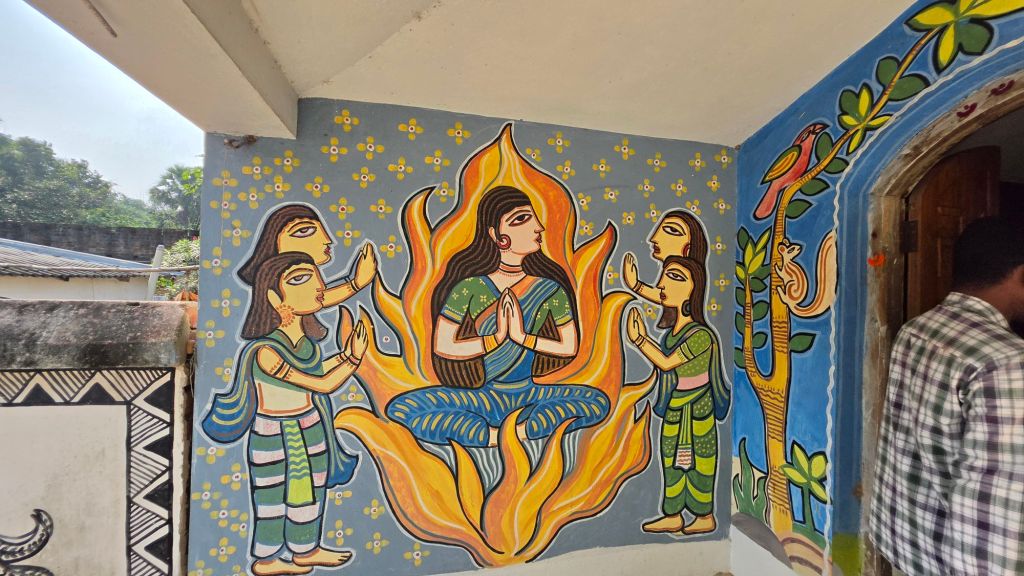
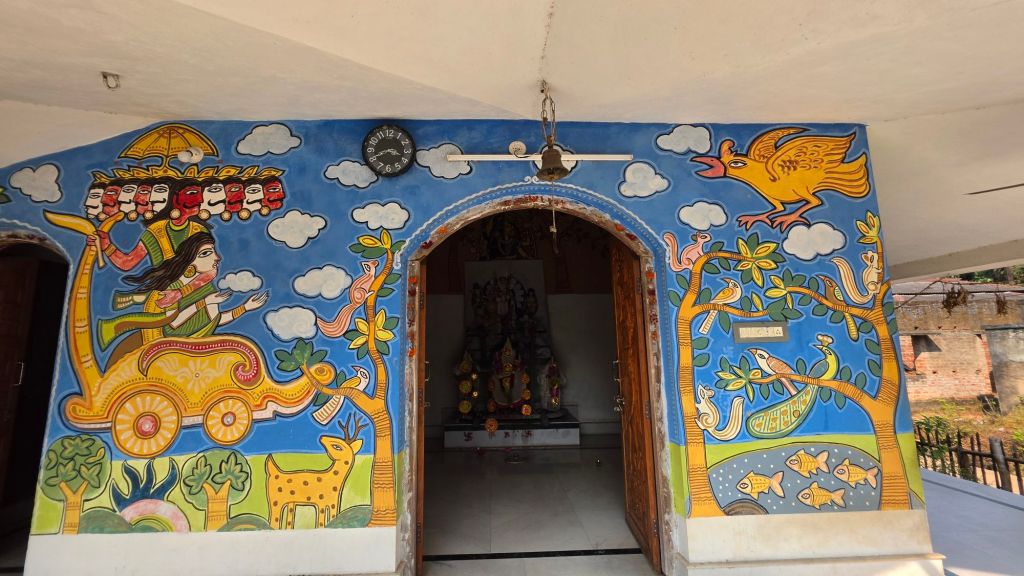
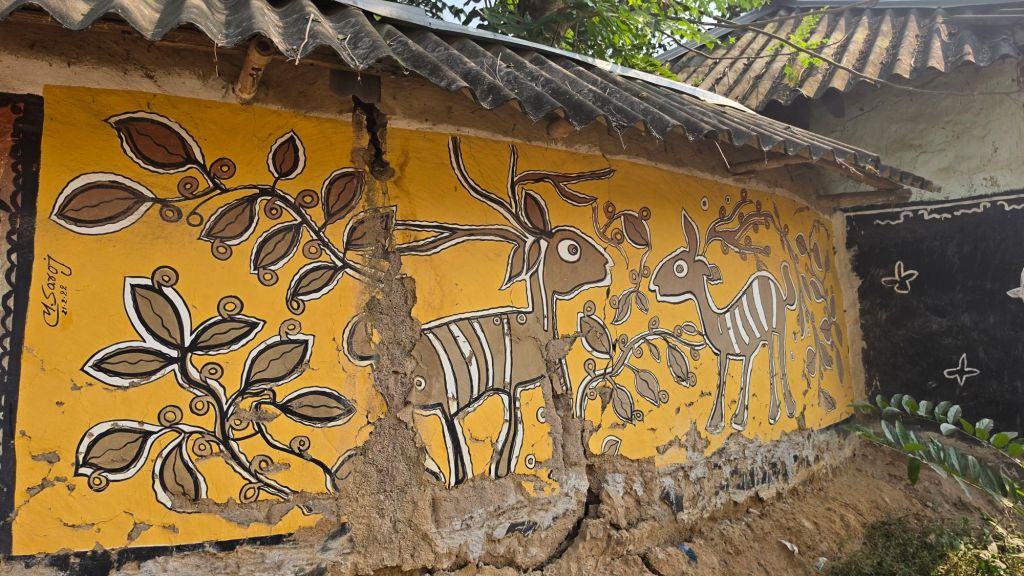
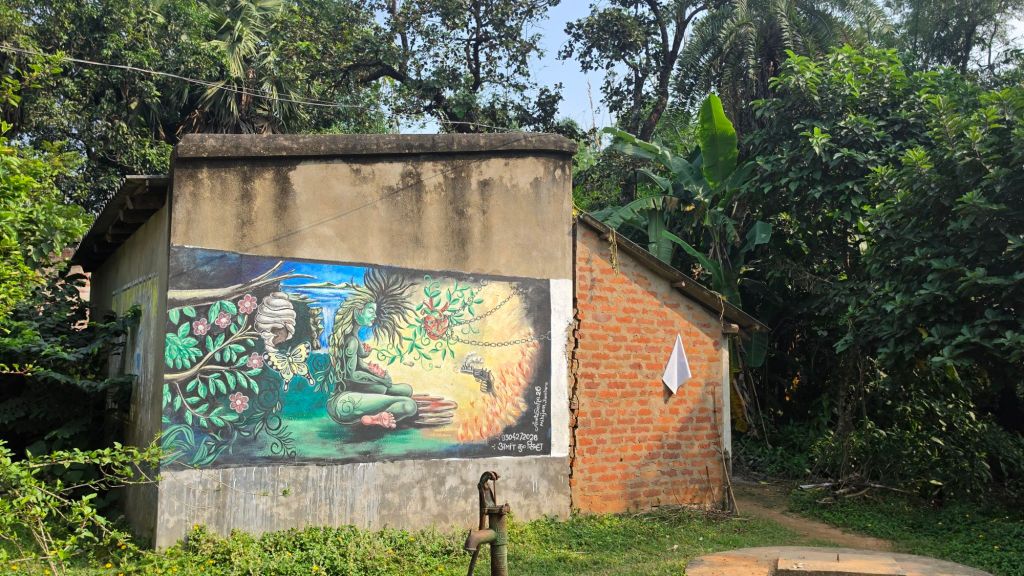
I was informed that the murals painted on the mud walls do not last very long and tend to fade within a few years. They are then repainted, often by new artists who bring fresh ideas and designs. What is truly fascinating is the exceptional quality and creativity of the artwork displayed throughout the village.
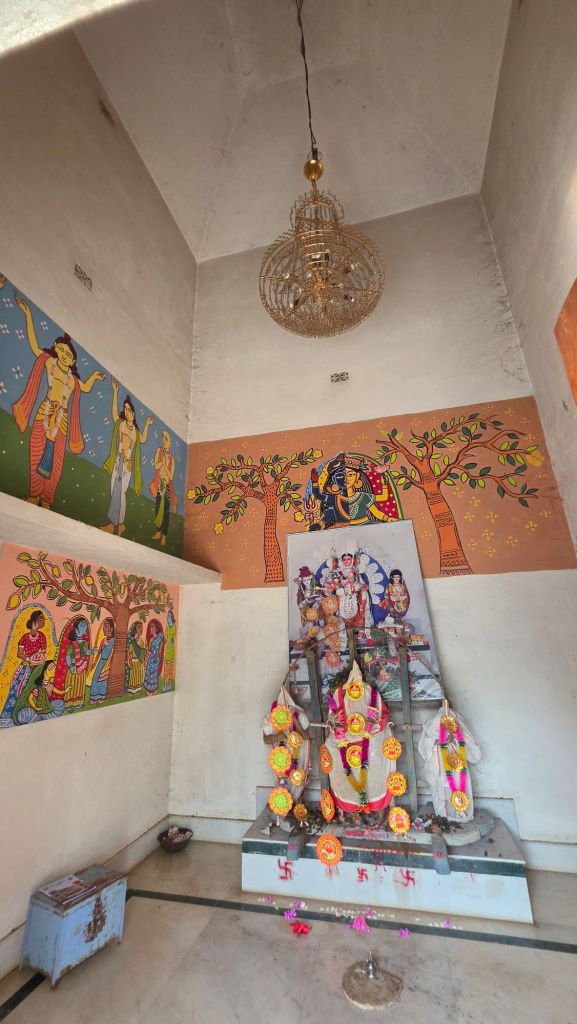
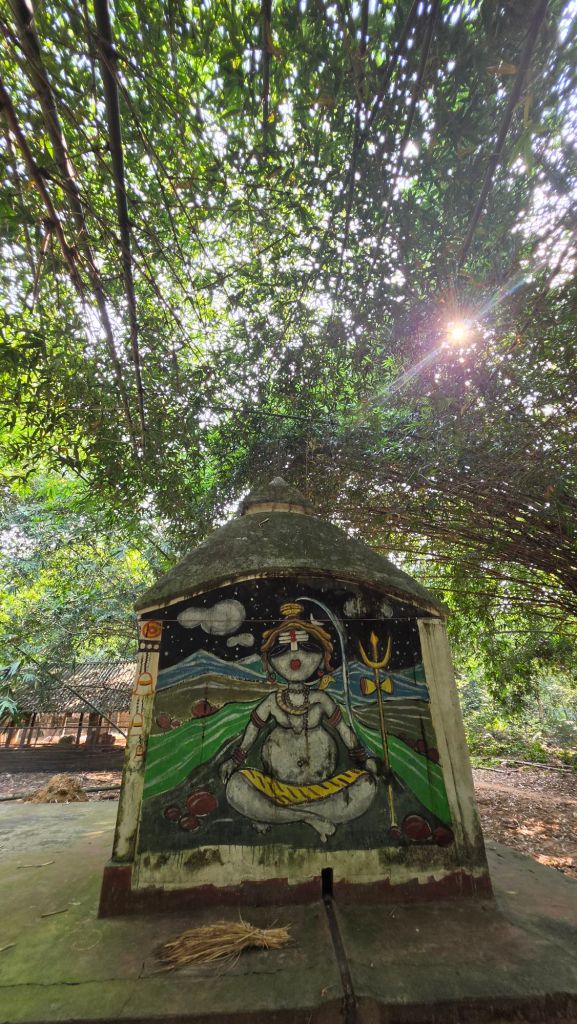
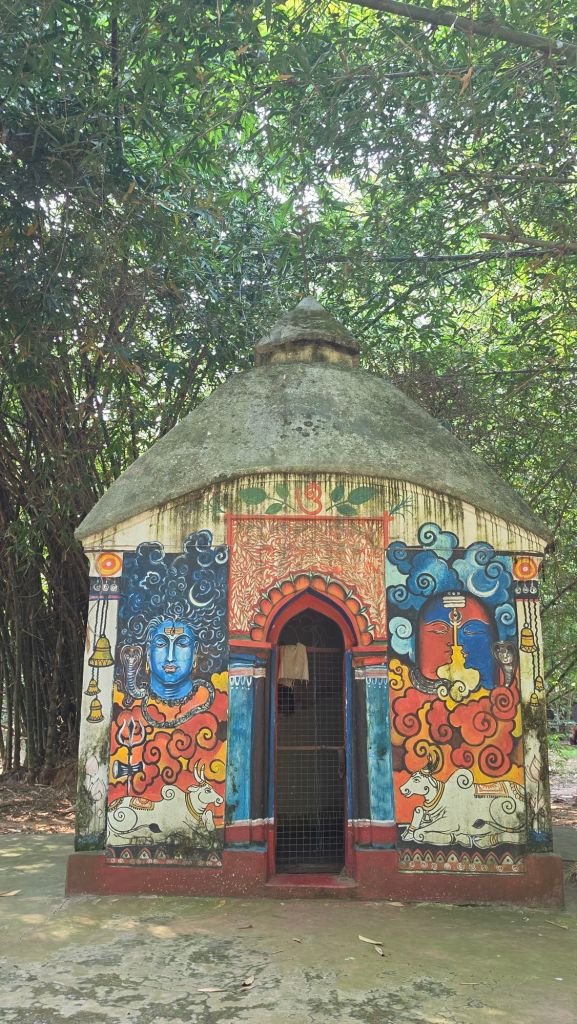
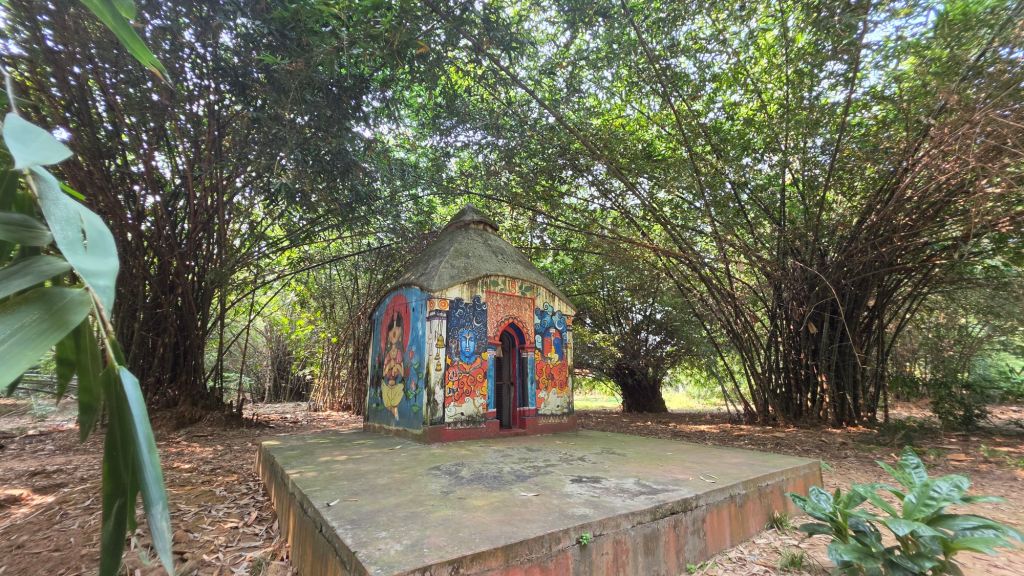
The paintings reflect the villagers’ profound connection with nature. Many murals focus on themes such as forest conservation, prevention of forest fires, and environmental awareness. Alongside these are depictions of deities, folk tales, and elements of local culture and tradition.
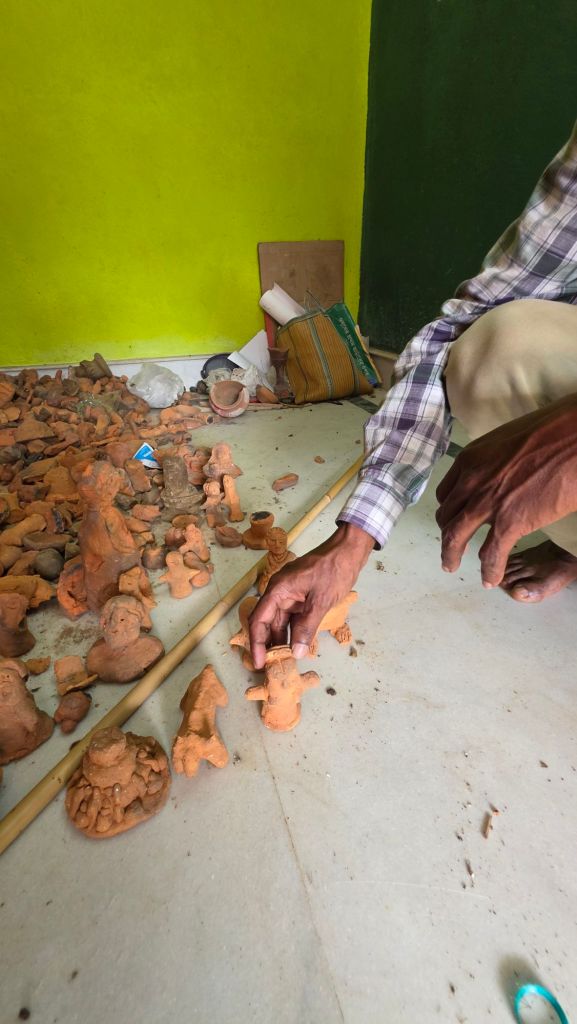
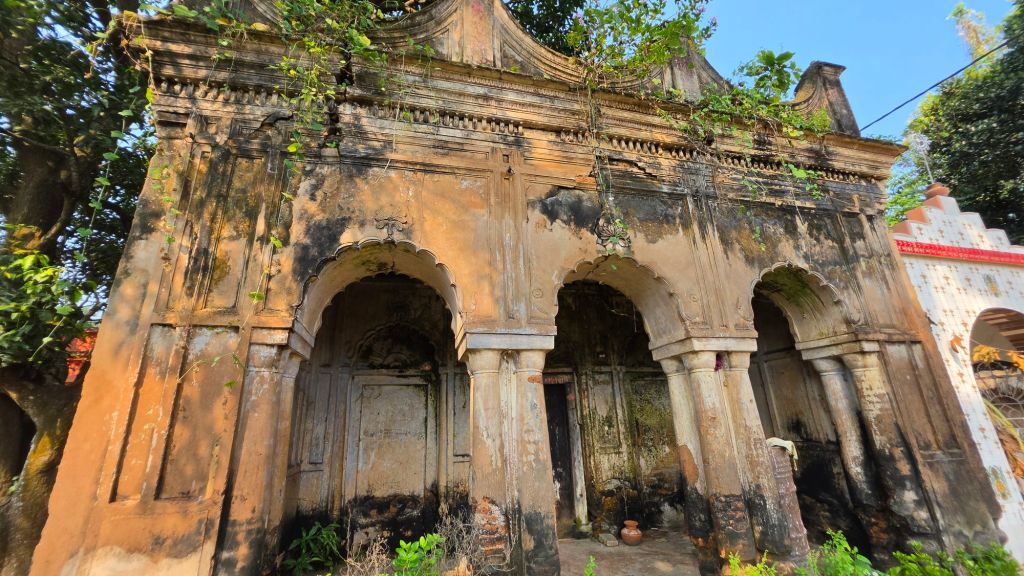
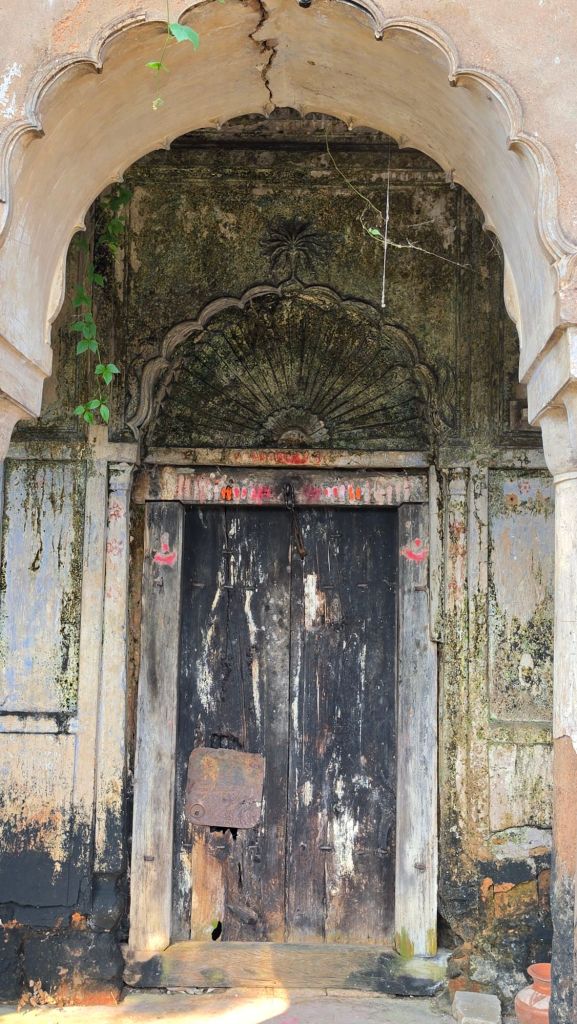
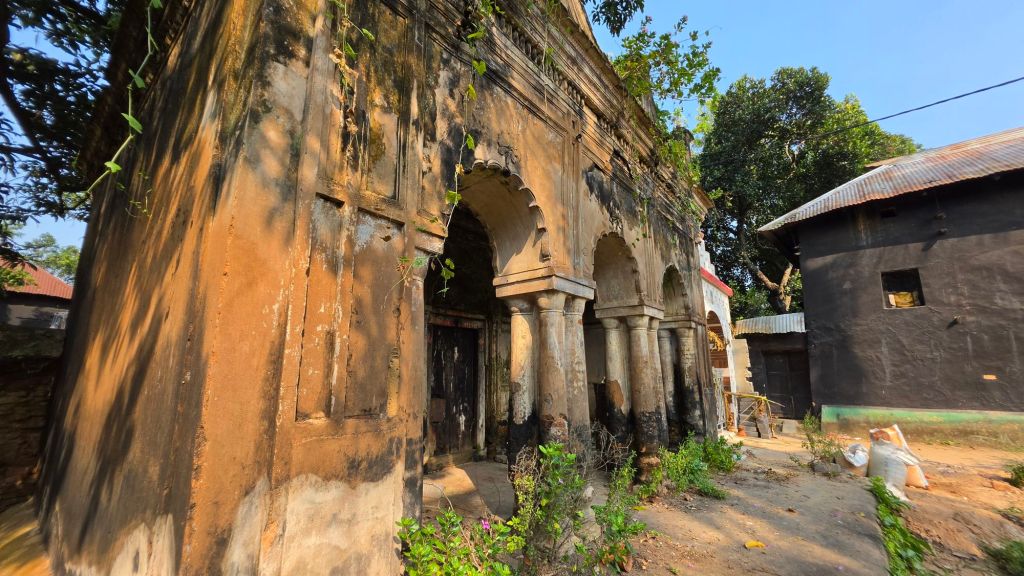
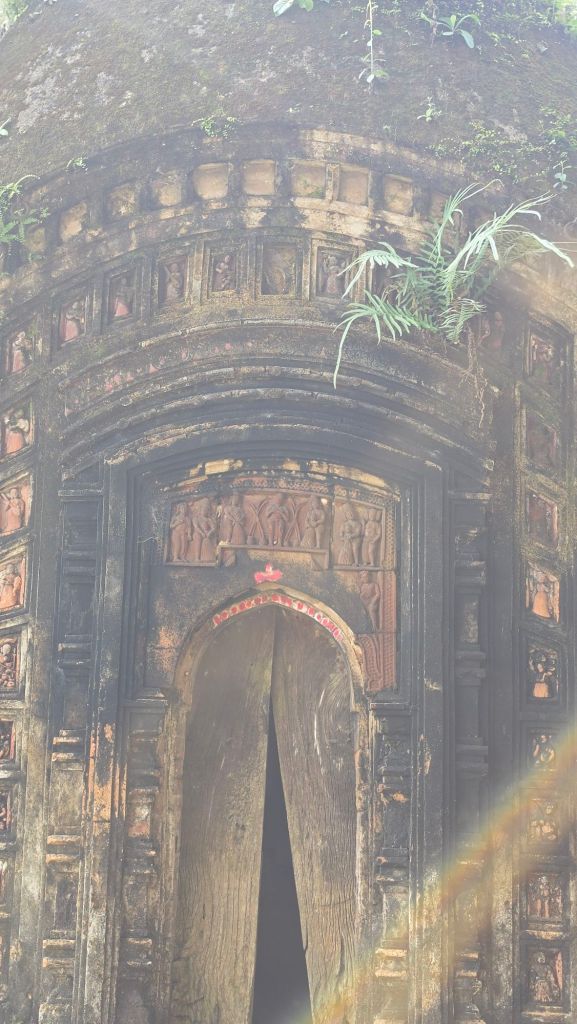
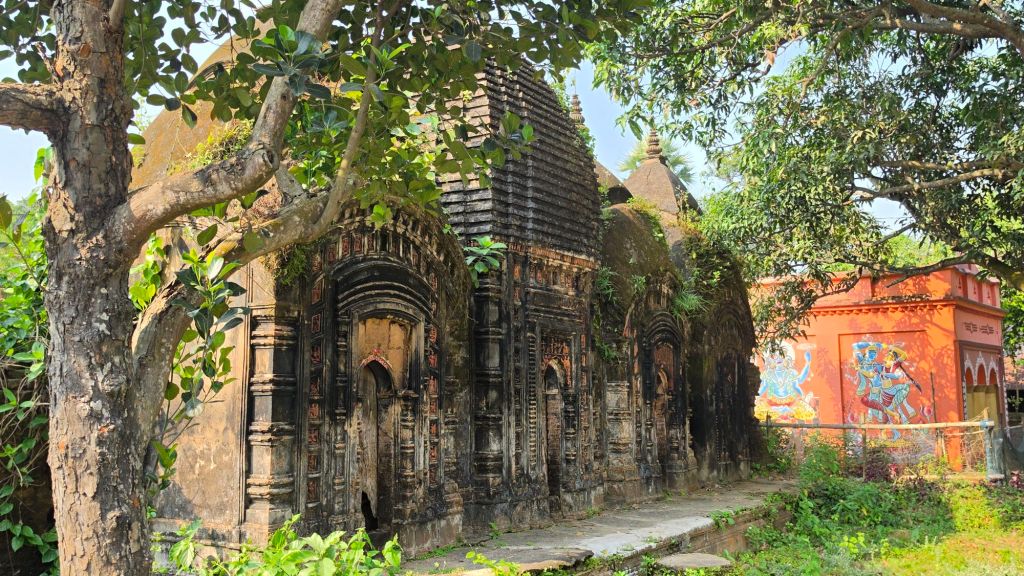
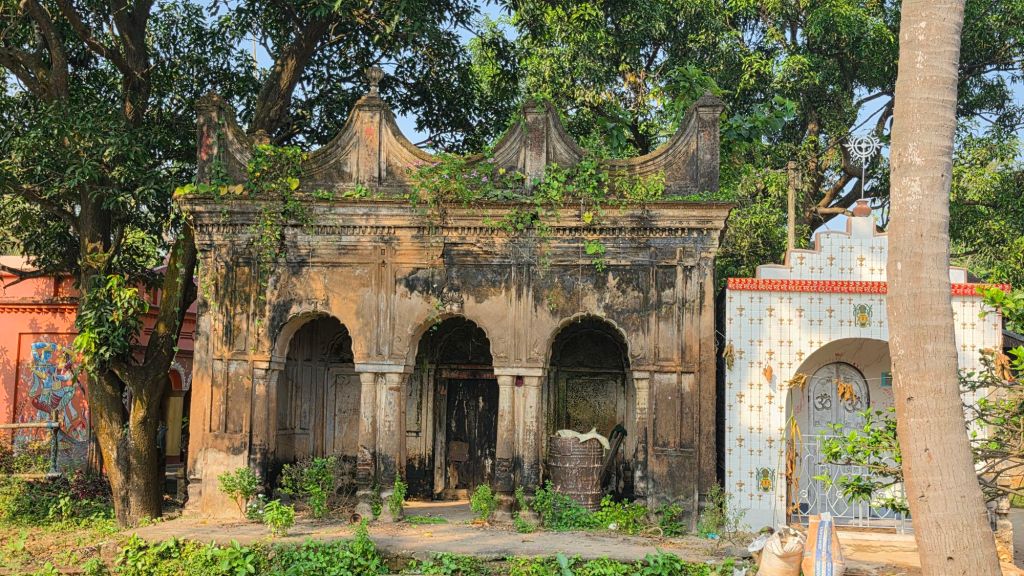
During my visit, I also noticed a temple in a dilapidated condition. It is my sincere hope that steps will be taken to restore these terracotta temples, which appear to be centuries old and form an important part of the region’s cultural heritage.
The owners of the mud houses graciously permit artists to paint on their walls. In addition, there are several tribal households in the village, where traditional murals are created in accordance with indigenous customs and artistic practices.
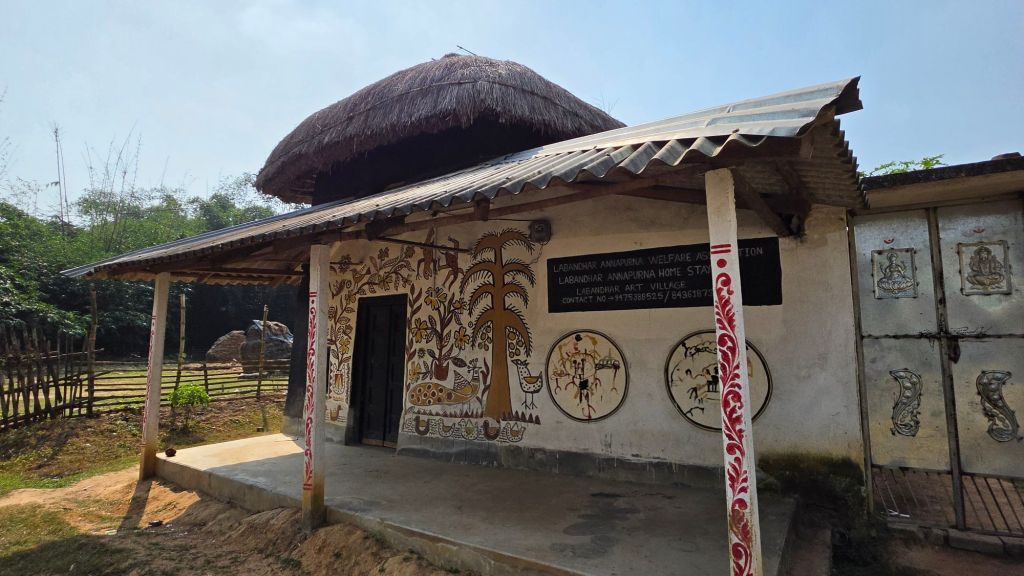
Accommodation facilities in the village are modest. Visitors are advised to contact the local NGO in advance, as options for lodging and food are limited.
We made a brief stay at a homestay, where a village woman prepared delicious Bengali meals for us. The warmth and hospitality of the villagers left a lasting impression. Having witnessed both the beauty and potential of this remarkable village, I have pledged to work with the community towards the development of better visitor facilities and sustainable tourism infrastructure.
Labandhar stands as an inspiring example of how art, culture, and environmental consciousness can transform a rural settlement into a vibrant destination. It is undoubtedly one of Bengal’s hidden gems.


You must be logged in to post a comment.