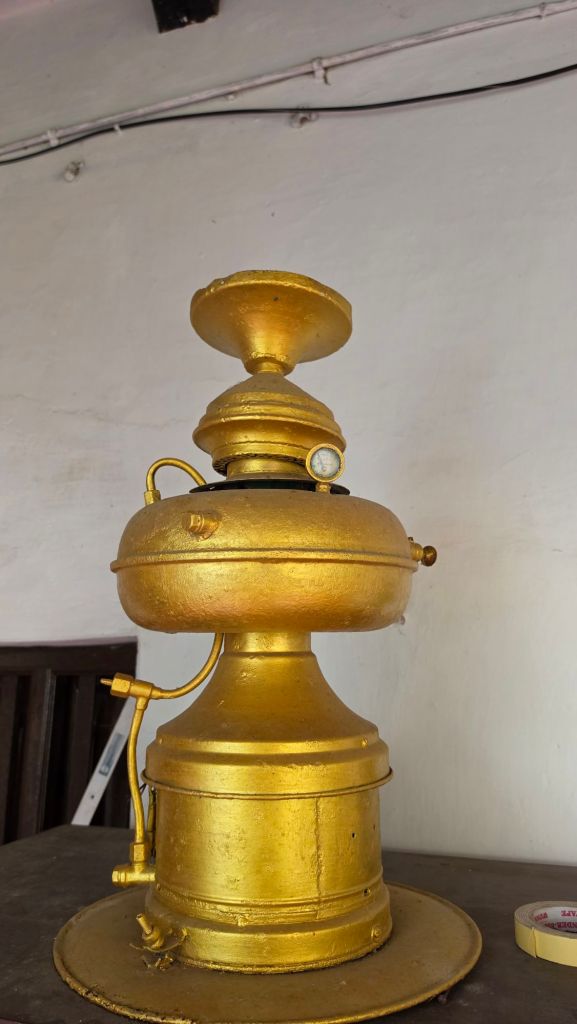
The Lamp in the Southern Wing – Panchetgarh Rajbari
Some journeys are carefully planned, while others happen on impulse. My visit to Panchetgarh belonged firmly to the latter category. It was an unscheduled trip, undertaken without much preparation. I had neither researched the route properly nor planned the logistics in advance. Located about 170 kilometers from Kolkata, Panchetgarh became the destination of a spontaneous drive that eventually turned into an unforgettable adventure.
My first halt was at a modest roadside hotel in Kolaghat. To be honest, the place was far from impressive. However, the food was fresh, wholesome, and surprisingly well cooked. A single paratha accompanied by a cup of tea was enough to refresh me before continuing the journey.
This was also my first long solo trip in my new Toyota Hyryder. Before leaving, a local guide had advised me to take the route via Digha. Google Maps, however, suggested an alternative route through Debra. Along with the recommendation came a word of caution: avoid shortcuts and stay away from village roads.
Unfortunately, I chose to ignore the advice and placed my complete trust in “Google Ji.” That decision soon turned into a challenge. The navigation led me through narrow village roads where my vehicle eventually got stuck. What happened next restored my faith in human kindness. Several local villagers came forward to help. With remarkable determination, they practically lifted the left front wheel with their bare hands while I relied on my limited off-road driving skills to maneuver the car back onto stable ground. It was a stressful moment but one that ended with gratitude and relief.
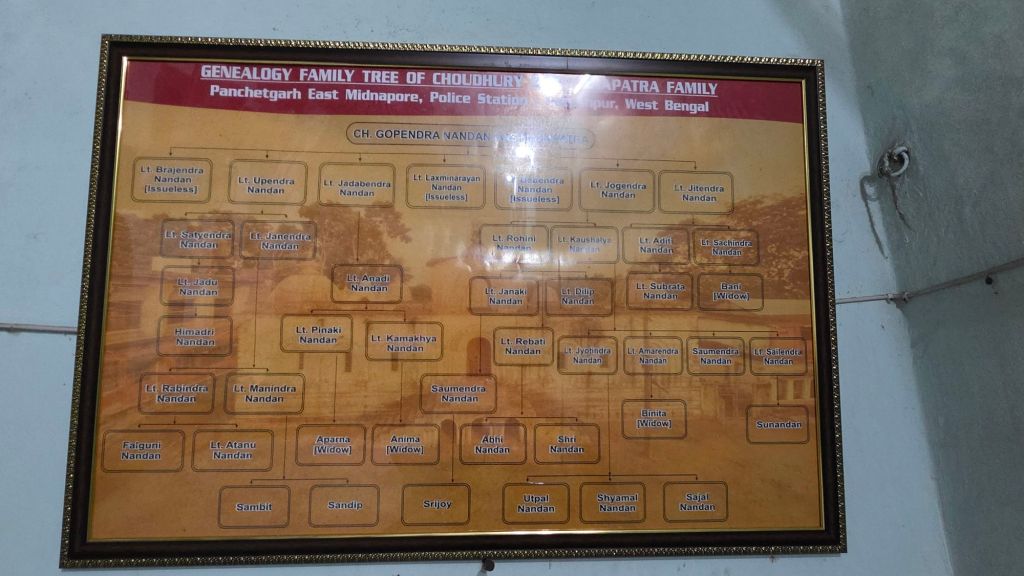
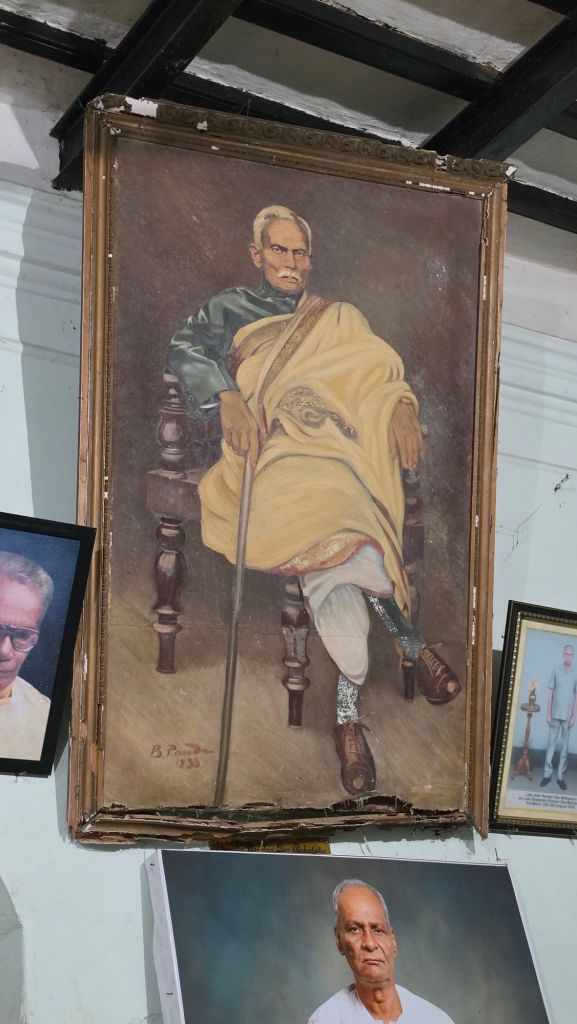
Panchetgarh is a village located in the Patashpur II Community Development Block of the Egra Subdivision in Purba Medinipur district, West Bengal. While exploring the area, I gathered fragments of its fascinating history through local folklore and various online sources. It is believed that the territorial endowment of Panchetgarh was granted to Murari Mohan Das Mohapatra by none other than the Mughal Emperor Aurangzeb. With a legacy spanning more than 350 years, the estate is also known for its deep association with classical music and cultural traditions.
Over the centuries, the estate witnessed the influence of powerful rulers, including the Nawabs of Murshidabad and the Holkars. In 1803, when the British formalized the Zamindari system, the Panchetgarh estate survived and continued through the colonial era.
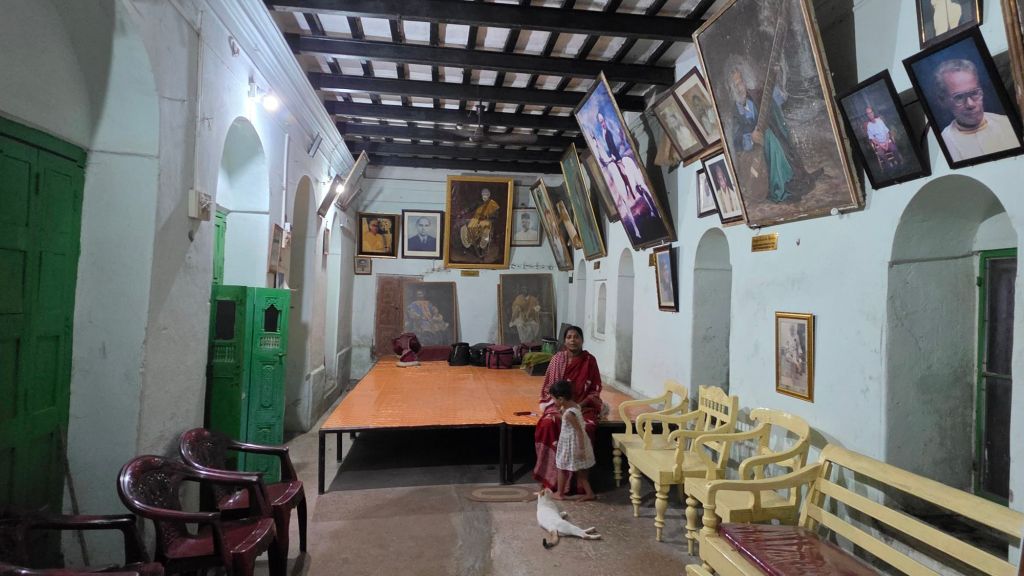
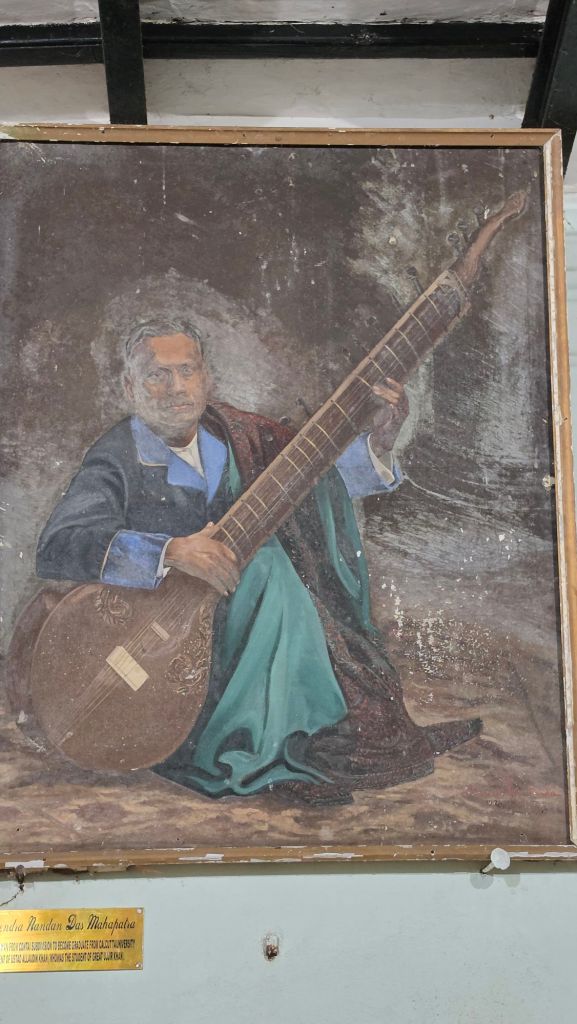
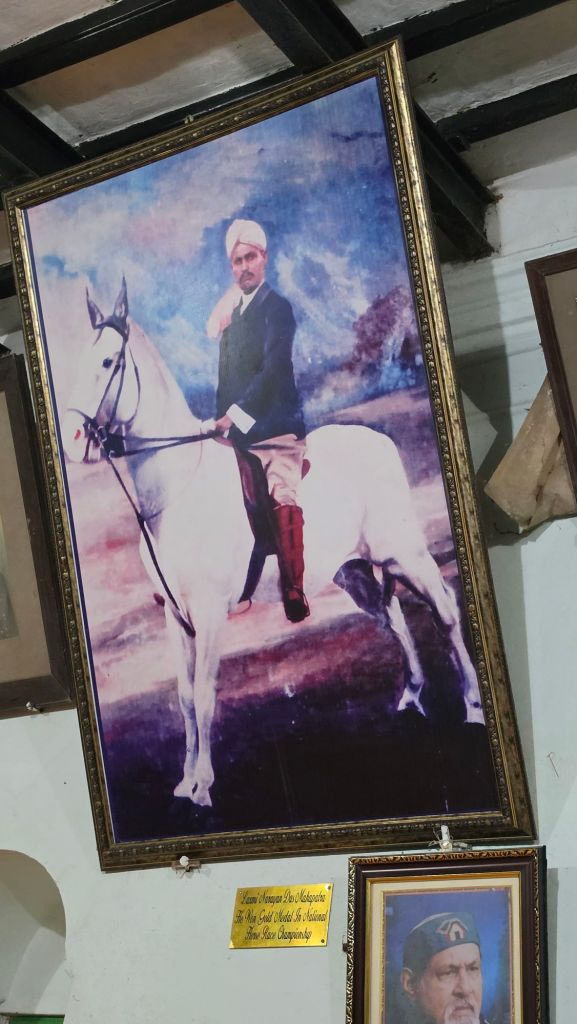
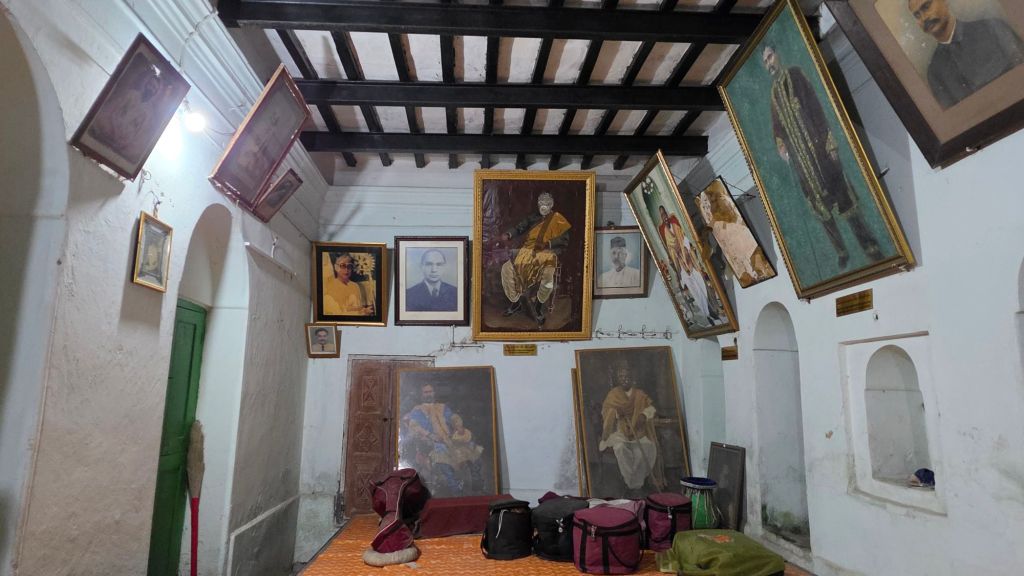
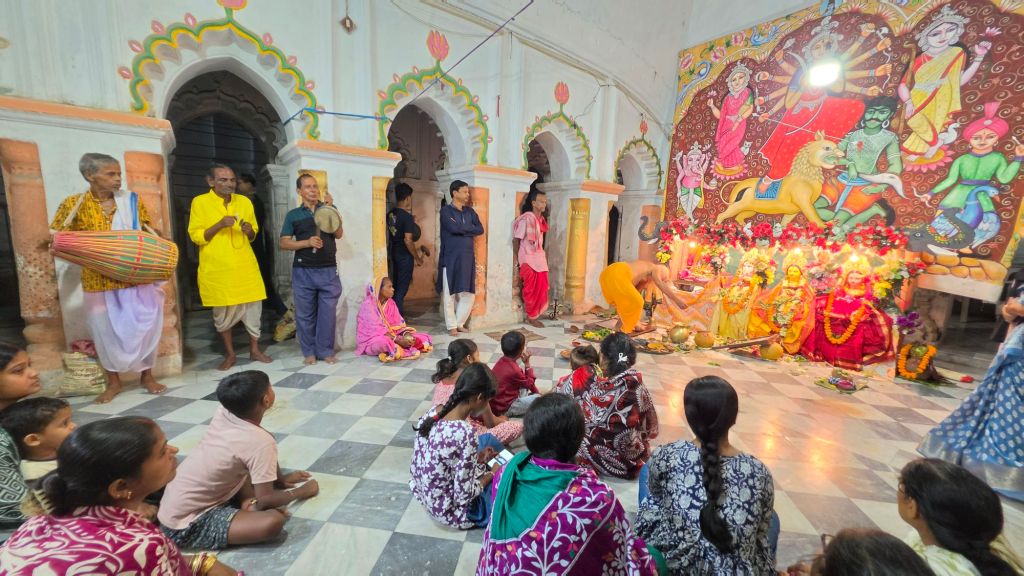
Today, Panchetgarh is best known for its Rash Utsav, during which people gather from far and wide to witness vibrant processions, local fairs, devotional celebrations, and traditional musical performances. I also learned that the estate once served as a prominent center of classical arts and music. A beautifully decorated room within the complex still preserves and showcases elements of this rich cultural heritage.
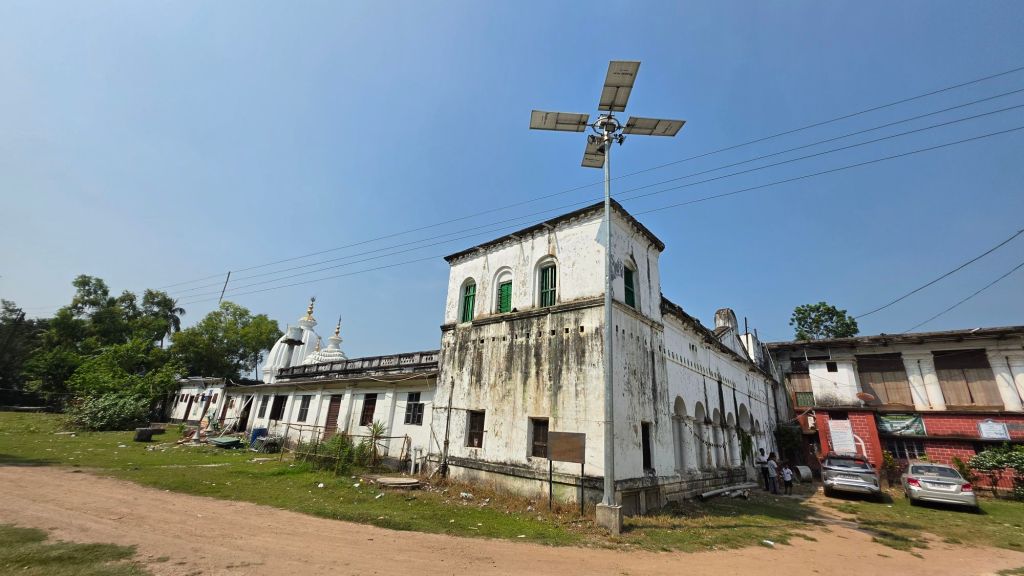
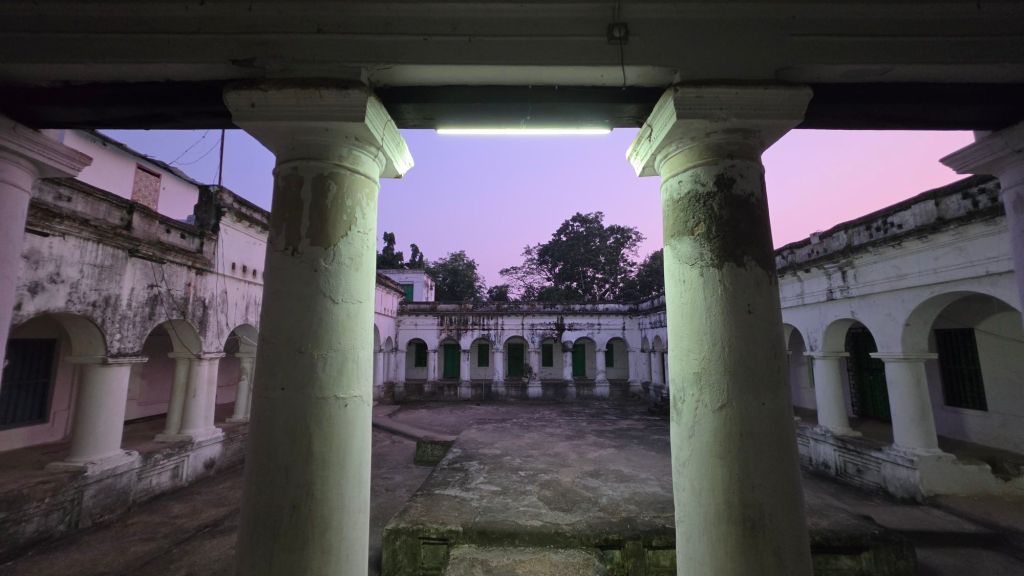
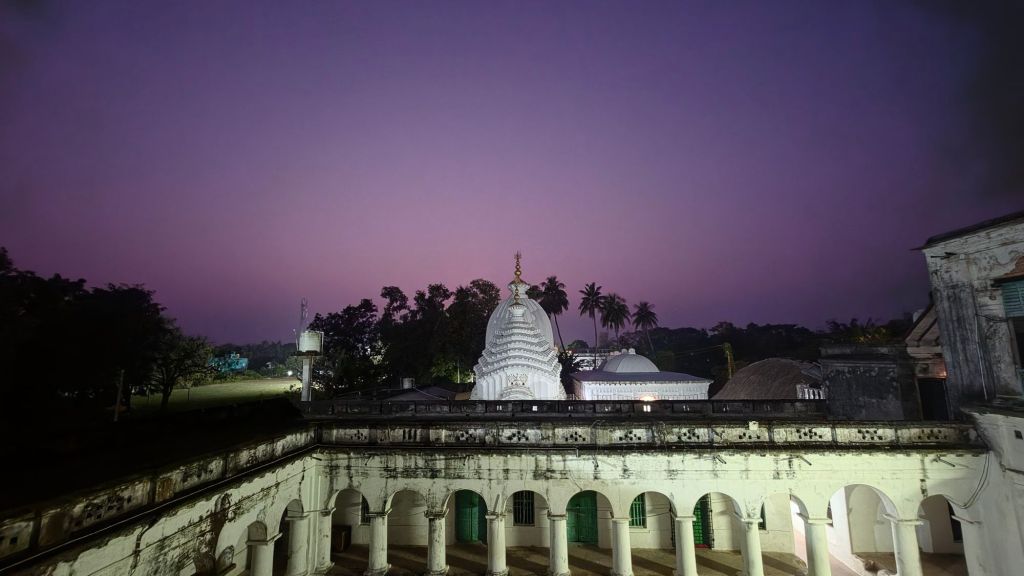
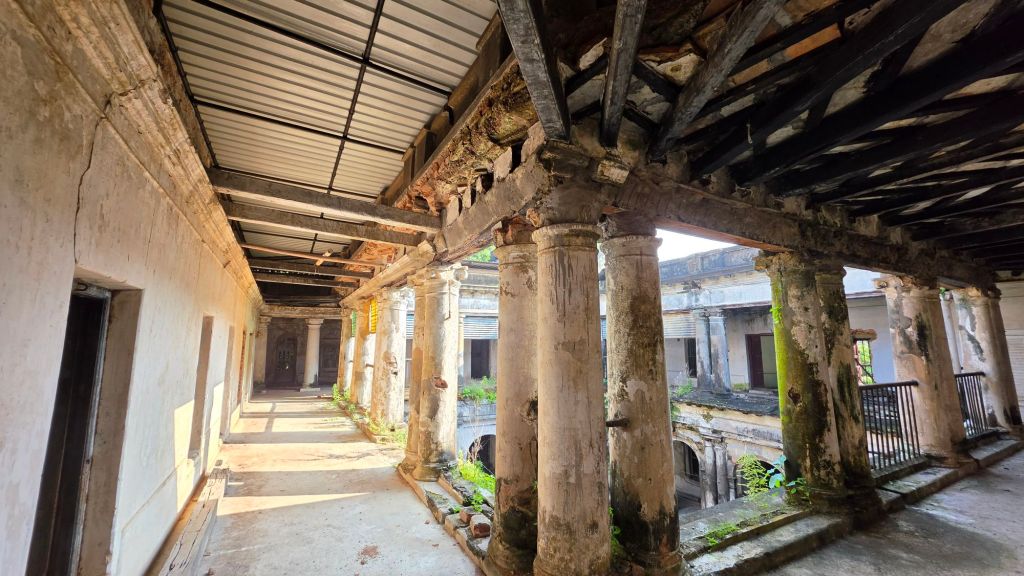
Sadly, much of the estate now stands in a dilapidated condition despite being recognized as a heritage site. The present descendants of the royal family have made sincere efforts toward conservation, and one can only hope that more comprehensive restoration initiatives will follow. It is painful to see a place of such historical and cultural significance receive so little attention in mainstream tourism promotion.
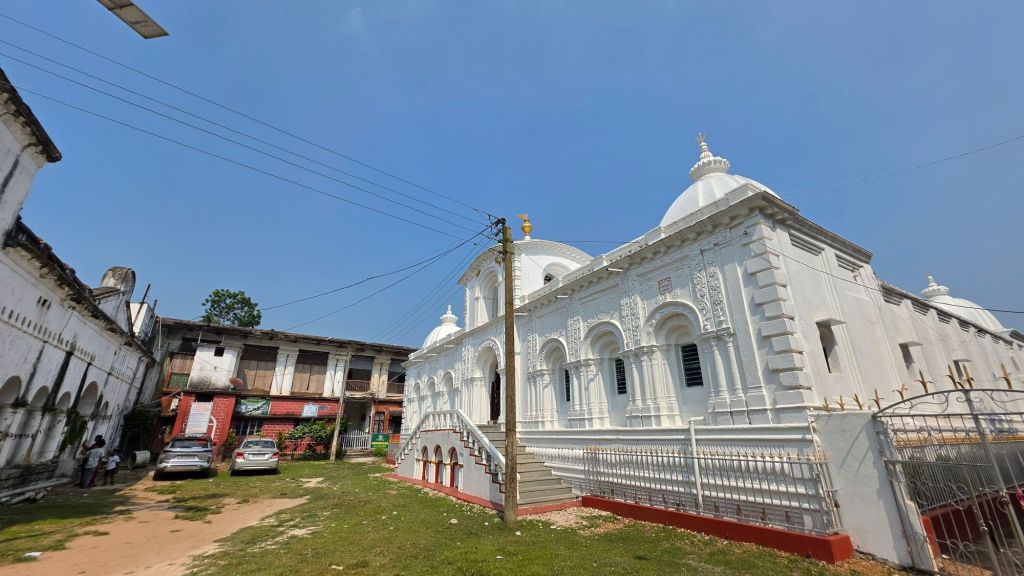
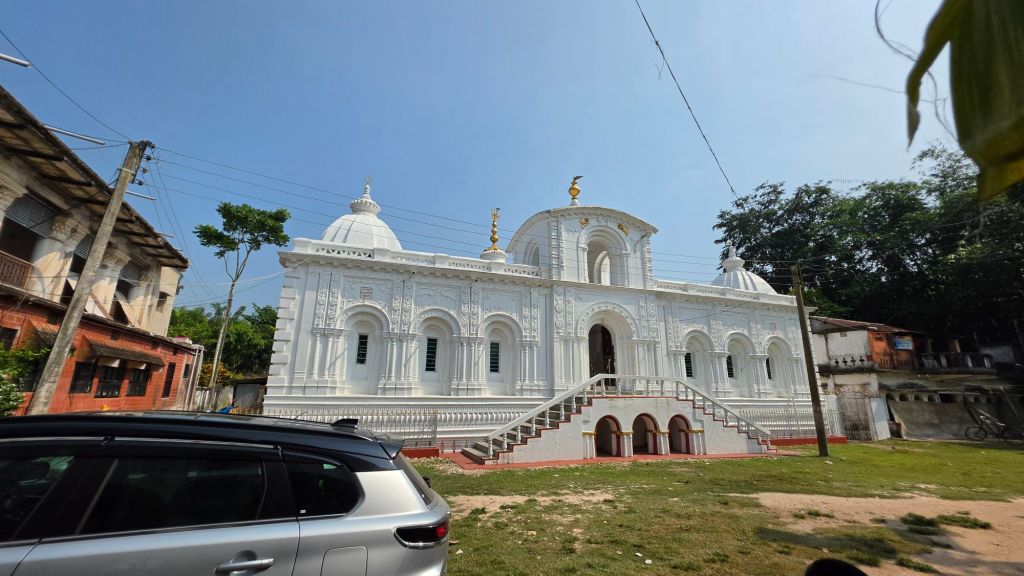
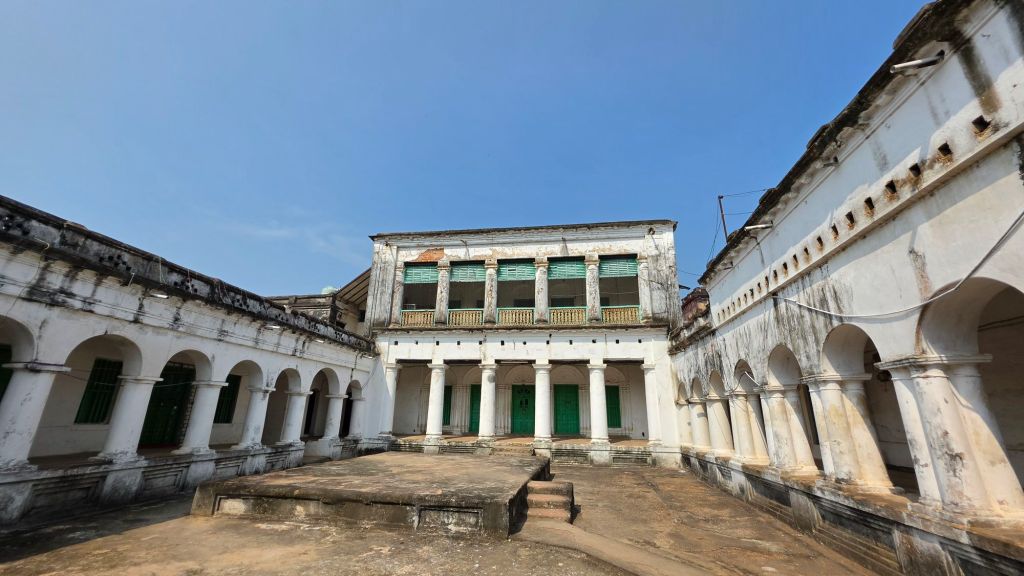
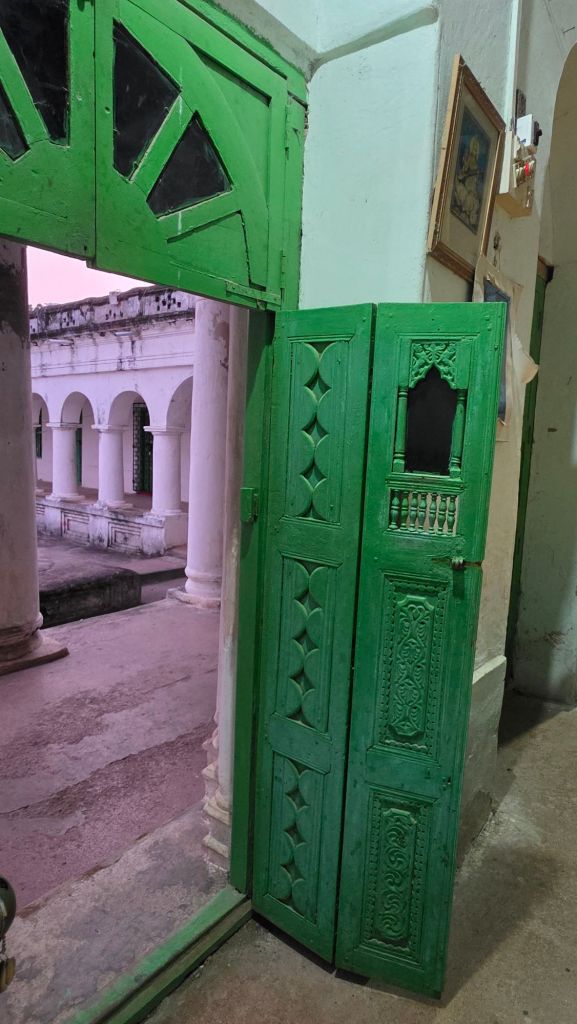
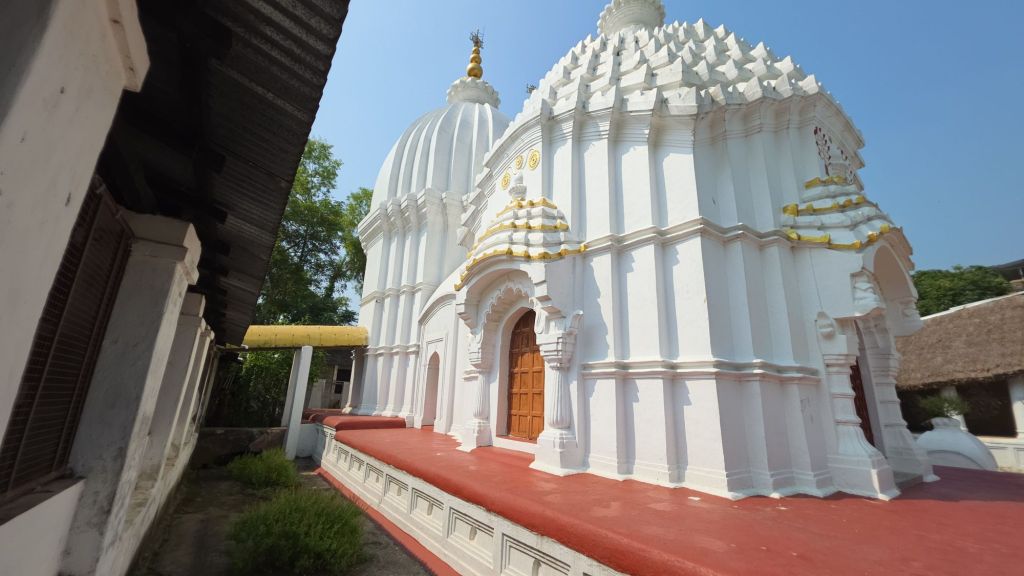
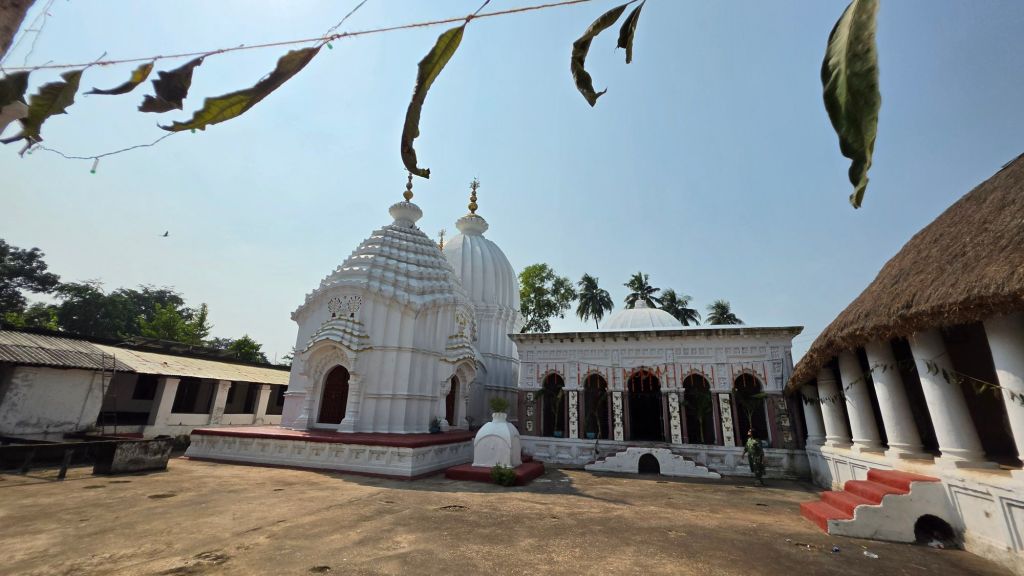
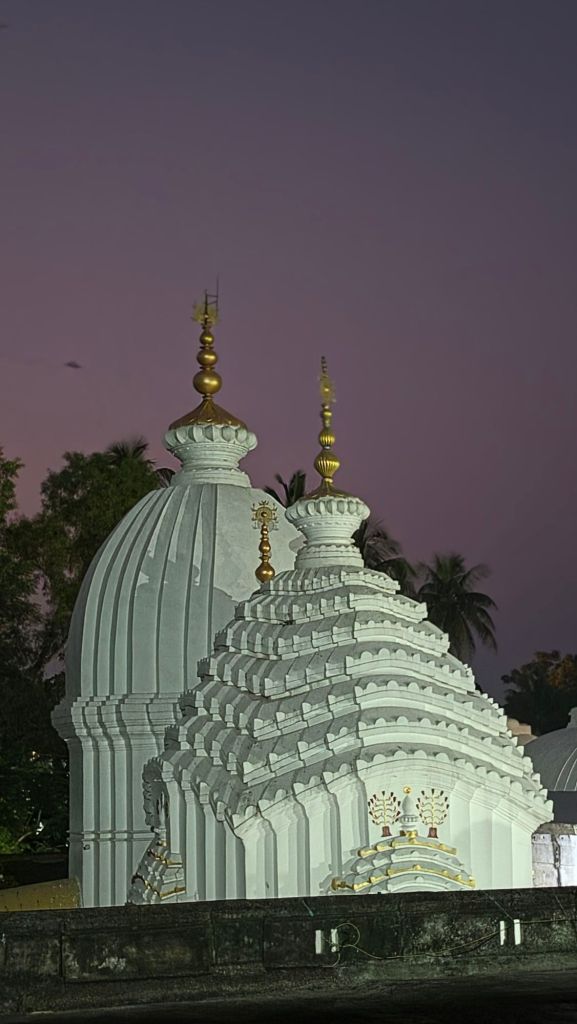
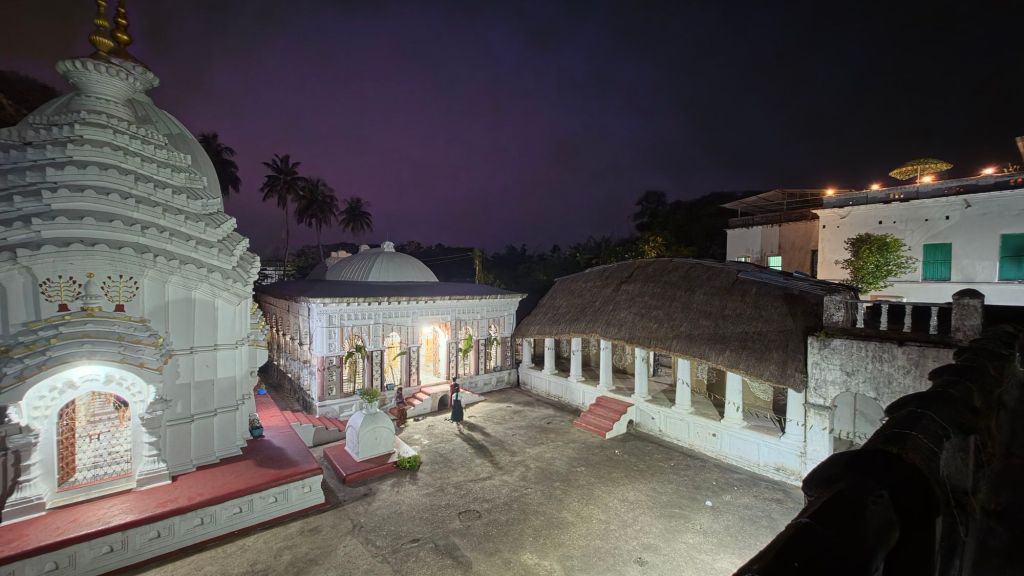
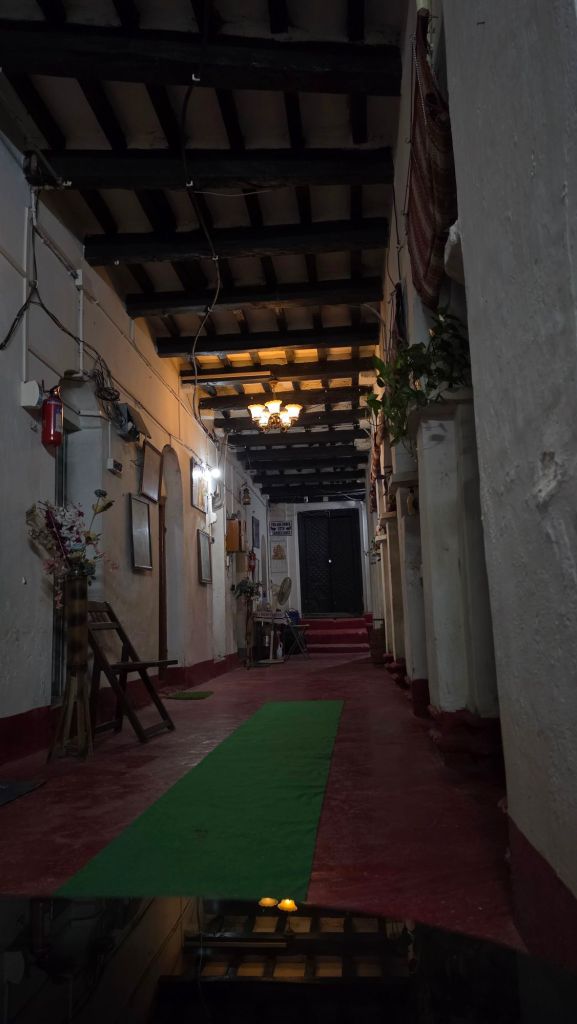
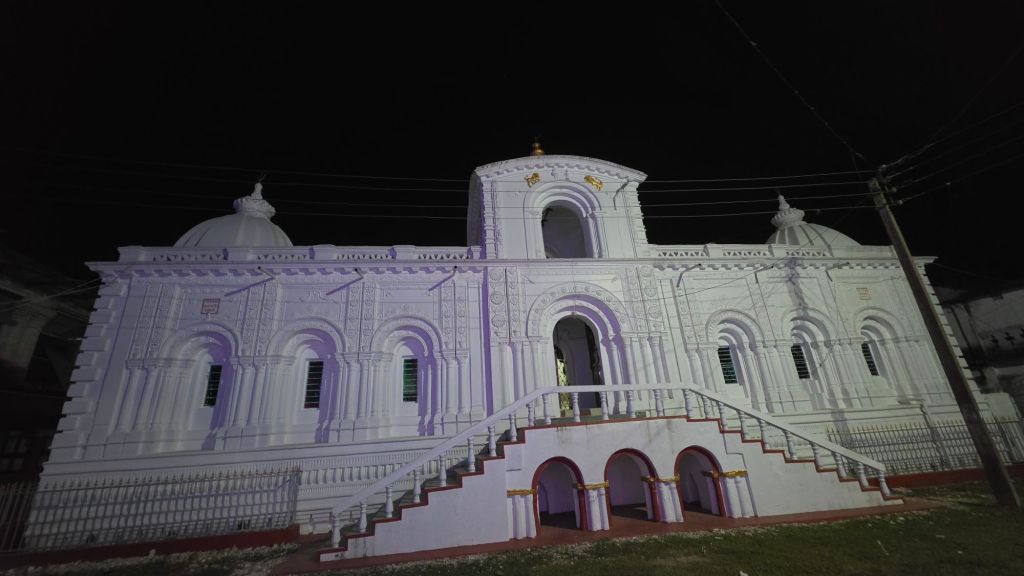
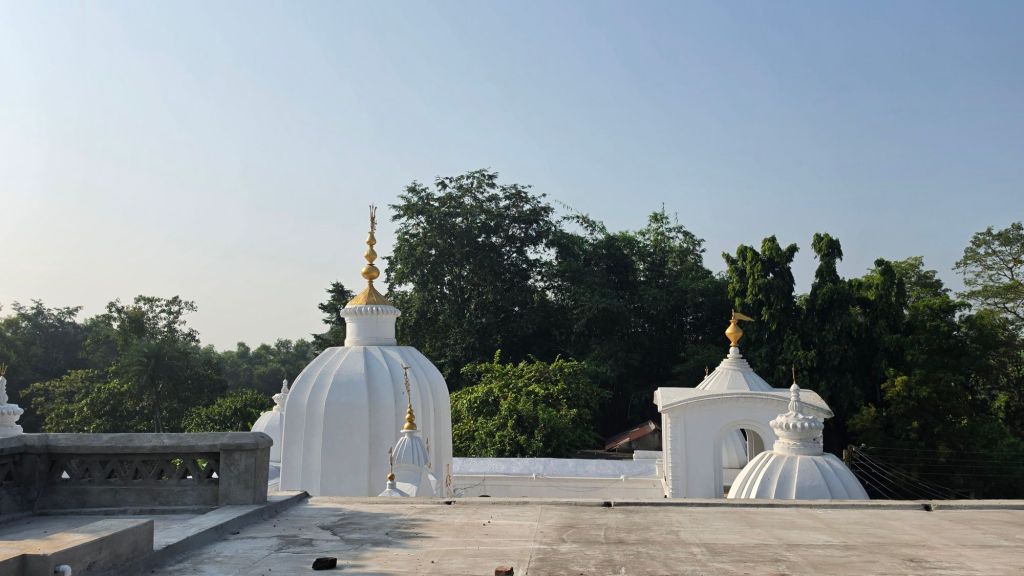
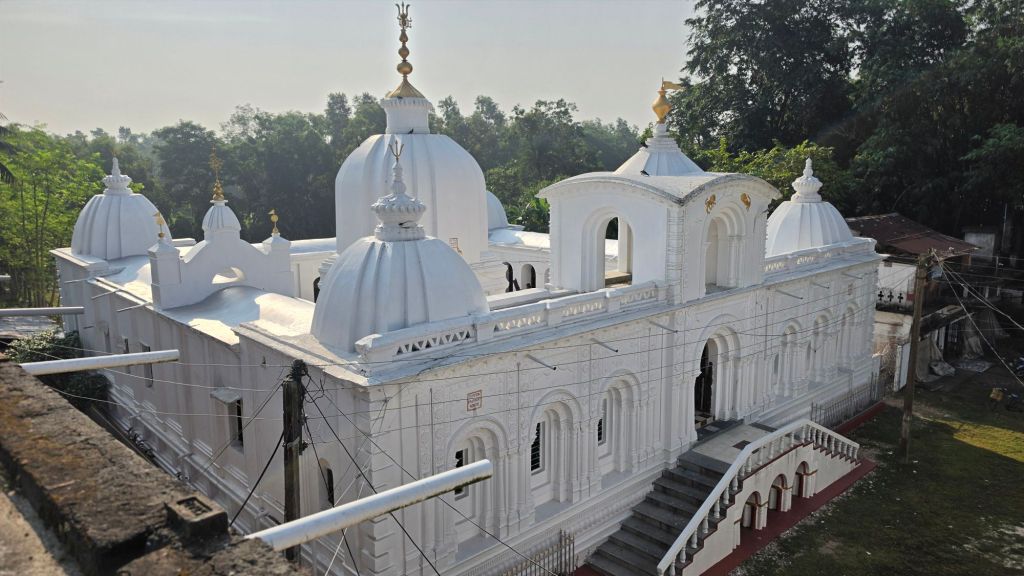
Among the most striking structures is the Haveli, which offers a glimpse into royal life with its spacious courtyards and traditional architecture. The area is also renowned for its temples that reflect strong Odishan architectural influences. Notable among them are the Pancha Shiva Temples, from which some believe the name Panchetgarh originated, and the Jor Bangla-style Sitala Devi Pancha Ratna Temple.
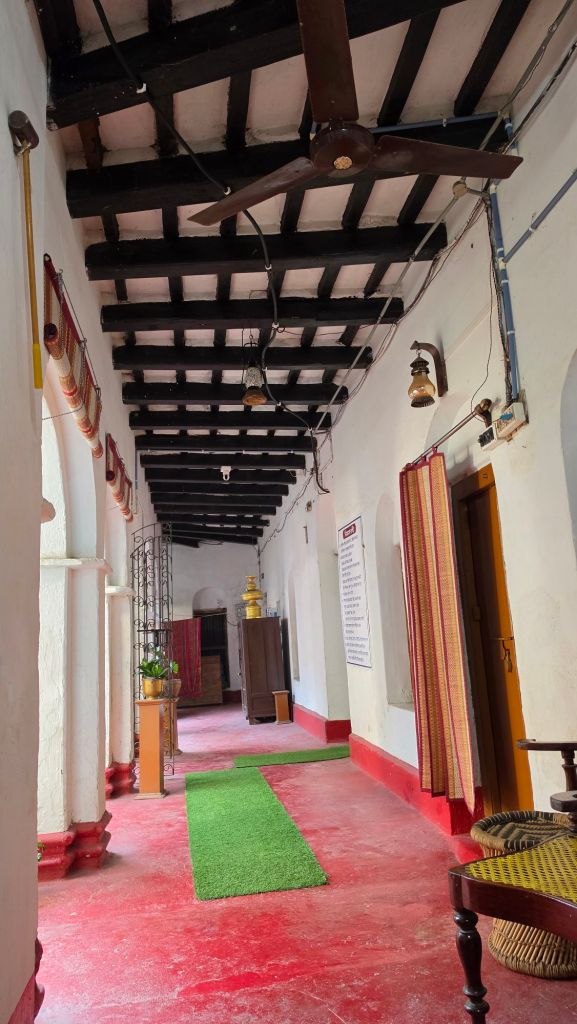
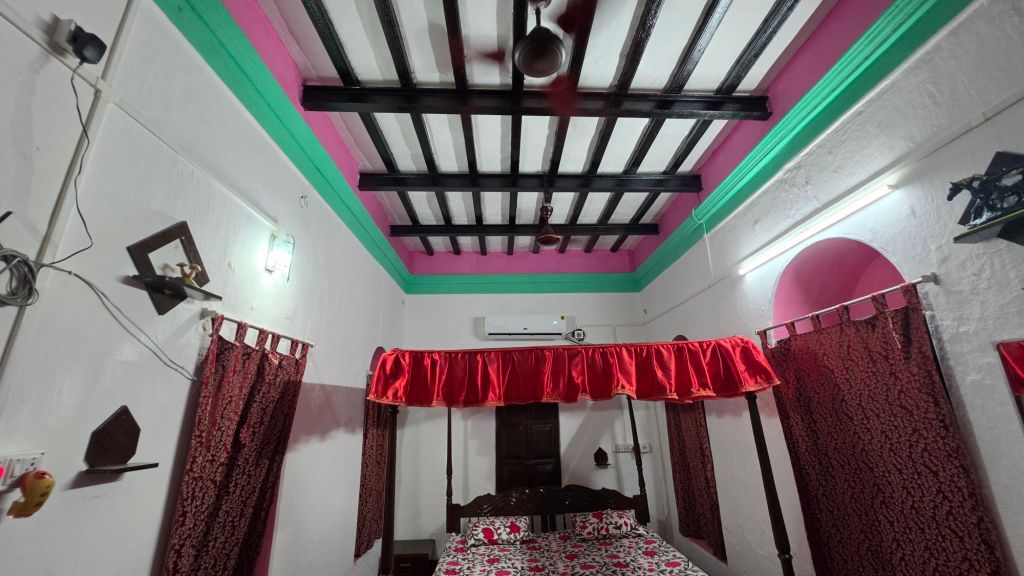
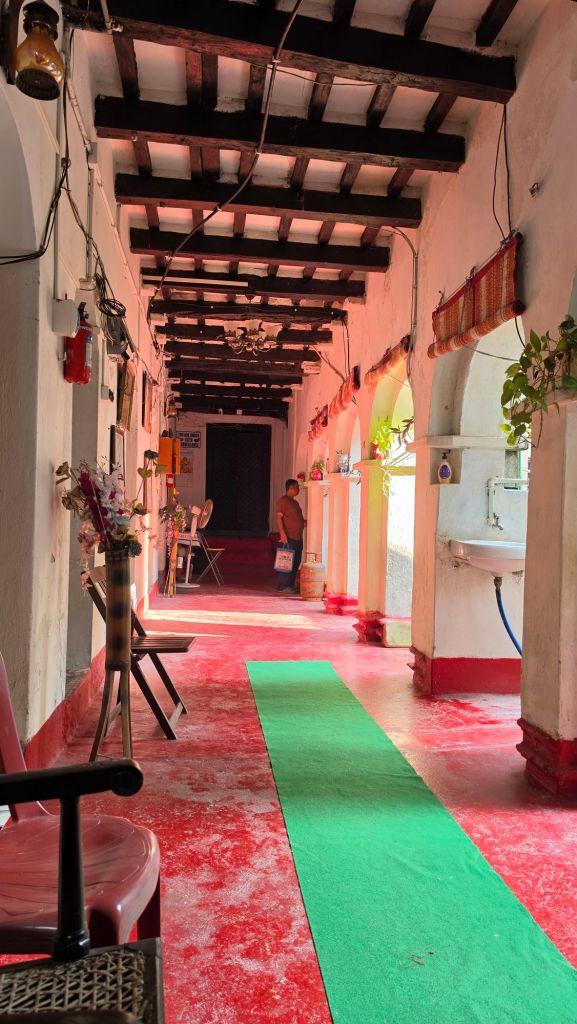
Accommodation is available within the estate, with options for food and lodging as well as day tours. I must particularly mention the wonderful “Didi” who prepared our meals. Her hospitality and delicious cooking made our stay even more memorable. Considering the overall condition of the estate, the accommodations were comfortable and more than adequate. For travelers who appreciate heritage and history over luxury, Panchetgarh is undoubtedly worth visiting.
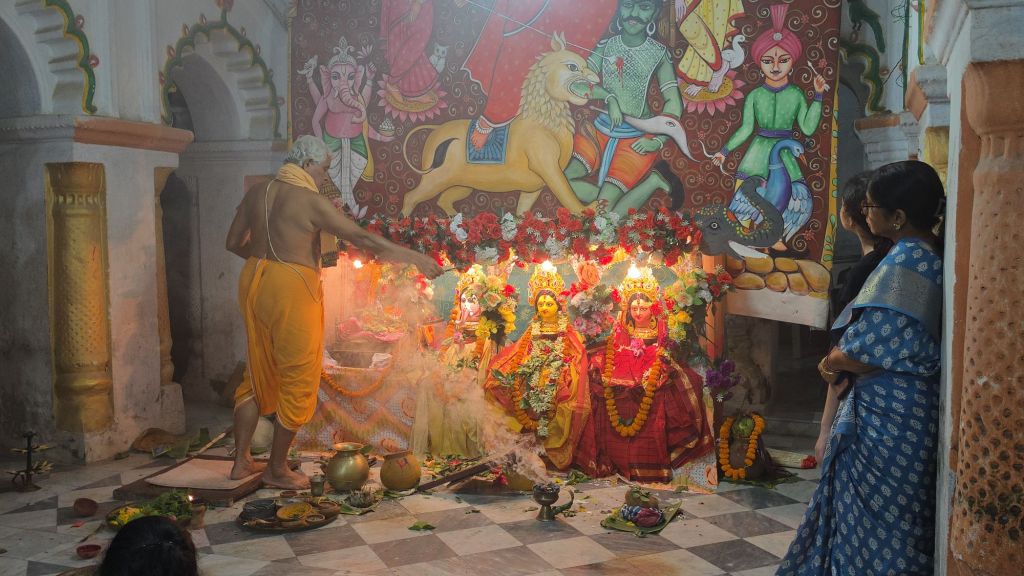
One of the most unique experiences was witnessing the Durga Puja traditions practiced here. Instead of the conventional idol worship, prayers were offered to the Goddess through a “Patachitra”, a hand-painted cloth depicting the deity. It was a remarkable tradition unlike anything I had encountered before and added another layer to the cultural richness of the place.
I also discovered that Panchetgarh has become a popular destination for photography, videography, and film shoots. Several productions have used its historic structures as a backdrop, further highlighting the visual appeal of this forgotten heritage site.
My journey to Panchetgarh began as an unplanned drive and included navigation mishaps, unexpected challenges, and acts of kindness from strangers. Yet, what remains strongest in my memory is the enduring legacy of a place where history, culture, architecture, and tradition continue to survive against the odds. Panchetgarh may not offer luxury tourism, but for those who seek heritage, authenticity, and stories from the past, it is a destination that deserves far greater recognition.
Ps – Google map is deceptive, follow instructions of the tour manager to reach the spot


You must be logged in to post a comment.